 By
Establishing a home staging business requires a balance between creative presentation and disciplined commercial operations. Entrepreneurs who succeed in this space do not simply arrange furniture; they craft emotional environments that help buyers envision living in a space. While passion for interior aesthetics often inspires the venture, scaling a sustainable business demands structured processes, dependable supply chains, and reliable professional networks. Leaders must approach every residential project with a clear commercial mindset to ensure repeatable quality and client satisfaction.
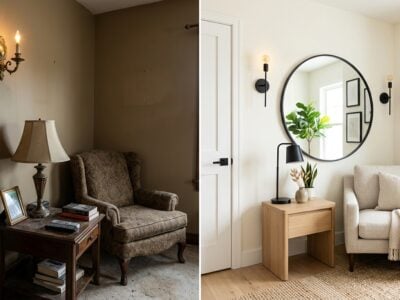
The home staging sector primarily serves real estate brokers, property developers, and residential sellers seeking to highlight a property’s architectural strengths. Because vacant or cluttered homes often linger on the market without generating emotional connection, professional staging provides the visual clarity that buyers need. Building a viable brand in this sector starts with understanding the distinction between interior design and property staging. While traditional interior design focuses on personal tastes of the current occupant, staging focuses on broad buyer psychology and spatial optimization.
Clarifying the Service Niche and Target Clientele
Before purchasing an initial catalog of furnishings or signing client agreements, an entrepreneur must define the primary market segment they intend to serve. Staging businesses typically choose between vacant property staging, occupied home styling consultations, or luxury model home staging for new developments. Each niche requires different operational resources, labor capabilities, and capital commitment. Trying to service every property type from the start often strains operational bandwidth and dilutes brand positioning.
Focusing on a distinct segment allows founders to develop specialized vendor relationships and refined presentation standards. For instance, staging urban condominiums requires modular furniture that navigates narrow hallways and compact freight elevators, whereas sprawling suburban family homes require substantial seating arrangements and comprehensive outdoor dining configurations. Selecting a clear focus helps business owners establish standardized staging packages that simplify quoting, scheduling, and on-site setup for every client engagement.
Building an Iterative Design and Staging Workflow
A dependable staging process relies on systematic planning before any furniture leaves the storage facility. Successful teams begin with a comprehensive site assessment, evaluating natural light, architectural circulation, structural focal points, and room dimensions. From this initial evaluation, designers assemble mood boards and functional floor plans that map the placement of every major item. This visual blueprint ensures that the staging concept aligns directly with the architectural flow of the home.
Treating initial staging proposals as collaborative working documents prevents costly misalignments during installation day. Gathering candid feedback from listing agents and homeowners during the conceptual phase allows project leads to refine layouts, swap color palettes, and resolve functional bottlenecks. Entrepreneurs who want to strengthen their review habits and revision frameworks can explore practical insights at rough-draft.net to keep design planning structured and adaptable. Embracing an iterative review process ensures that the finished presentation meets commercial marketing goals without requiring emergency adjustments on site.
Once the layout blueprint receives approval, project leads convert the design into an itemized pull sheet for warehouse handlers. This documentation lists every piece of furniture, artwork, rug, lighting fixture, and decorative accent needed for the installation. Clear documentation bridges the gap between creative concept and warehouse execution, minimizing errors and eliminating misplaced decor.
Sourcing and Managing High-Impact Furniture Inventory
Inventory represents both the greatest asset and the most demanding operational challenge for a staging entrepreneur. Founders must curate a versatile collection of neutral foundational pieces, such as sofas, dining tables, and bed frames, that adapt easily to diverse architectural styles. Neutral upholstery in durable fabrics allows a firm to reconfigure core seating groups across modern lofts, historic townhouses, and contemporary single-family residences.
Visual distinction comes from carefully chosen accent pieces, statement artwork, textured textiles, and sculptural decor items. These finishing layers give a staged property its warmth, personality, and aspirational appeal. When seeking inspiration for decorative accents, lighting treatments, and expressive interior accessories, founders often look to design resources such as deltadesignltd.co.uk to stay informed on emerging decorative aesthetics. Selecting memorable decorative elements ensures that photographs capture buyer attention across digital listings and print marketing materials.
Managing this inventory requires strict tracking protocols and organized storage facilities. Every asset should be labeled, inspected after each derigging, and repaired or cleaned immediately before returning to warehouse shelves. Maintaining an organized inventory system prevents accidental double-booking of popular furniture sets and preserves the life cycle of every piece in the collection.
Establishing Strategic Real Estate Partnerships
Sustainable growth in the staging industry depends on recurring relationships rather than sporadic consumer transactions. Top-performing staging firms treat residential real estate agents, property developers, and brokerages as core commercial partners. Real estate agents represent an ongoing pipeline of potential listings, making them the most valuable source of steady referrals. Leaders should present their staging services not as a decorative indulgence, but as an indispensable marketing service that improves listing presentation.
Property developers and custom residential builders represent another lucrative client channel for growing staging companies. Builders frequently require turnkey furnishing for model residences to demonstrate potential lifestyle value to prospective buyers. Staging entrepreneurs can gain valuable perspective on this builder audience by reviewing our related resource on launching a boutique home building brand to align presentation strategies with builder priorities. Understanding how home builders market architectural craftsmanship helps staging founders position their staging packages as natural extensions of the builder’s brand narrative.
To nurture long-term partnerships, staging firms must maintain professional communication, punctuality, and transparent invoicing. Sharing professional photography of completed projects with agent partners provides mutual marketing value, as both the staging business and the real estate agency can showcase the collaboration across their portfolios.
Streamlining On-Site Logistics and Installation Day
Execution on installation day defines a staging company’s operational reputation. Moving large quantities of furniture into a newly prepped home requires precise timing, disciplined handling, and respectful property care. Teams must protect hardwood floors, wall finishes, and exterior thresholds with drop cloths, corner guards, and neoprene floor runners to avoid accidental property damage.
Developing a standardized installation checklist ensures that field teams execute setups efficiently without missing critical details:
- Inspect property condition and install protective floor coverings upon arrival.
- Stage primary furniture anchor pieces before placing secondary items.
- Hang artwork at consistent eye level and adjust directional lighting fixtures.
- Style soft textiles, tabletop accessories, and greenery for camera angles.
- Complete a final walkthrough inspection to steam linens and clean surfaces.
The final walkthrough is an essential quality assurance step. Lead stylists must review each room through the lens of a wide-angle camera, confirming that sightlines remain open and natural light flows unobstructed. Adjusting throw pillows, aligning rugs with architectural centerlines, and ensuring that lamps are operational creates the polished visual impact necessary for high-converting marketing photography.
Building a respected home staging brand requires combining creative intuition with dependable business systems. From defining a clear market niche and managing physical inventory to cultivating lasting industry partnerships, every operational decision contributes to a firm’s long-term reputation. By approaching staging as an essential marketing engine for residential properties, entrepreneurs can build a resilient, scalable company that consistently elevates living spaces and delivers lasting value to clients.