 By
Franchising transforms a successful food business into a scalable system that other entrepreneurs can replicate. It’s one of the most powerful growth mechanisms available to food business owners — but it’s also one of the most complex, legally intensive, and operationally demanding paths you can choose. Here’s what successful franchising actually requires.
Prove Your Model Completely First
The most fundamental prerequisite for franchising is a proven, profitable business that has operated successfully for a minimum of two to three years. If your original location isn’t consistently generating strong returns, you have no model worth franchising. Franchising amplifies what you’ve built — if what you’ve built isn’t excellent, franchising amplifies problems, not success.
Document Everything to a Replicable Standard
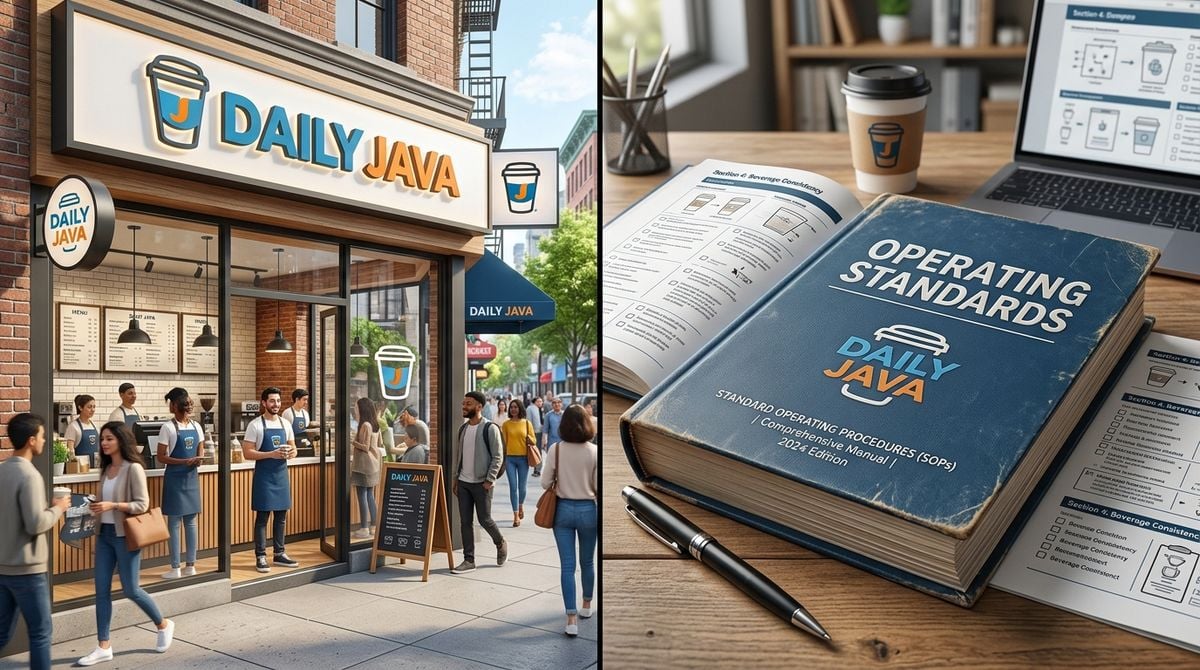
Your business systems must be documented with enough precision that a person who has never worked in your business could follow your procedures and produce consistent results. This includes: every recipe with exact measurements, all operational procedures with step-by-step instructions, supplier contacts and ordering systems, equipment specifications, and quality control standards. This documentation becomes the heart of your Operations Manual — your franchise’s bible.
Register as a Franchisor
Franchising in the US requires registration with the FTC and disclosure through a Franchise Disclosure Document (FDD). The FDD must be provided to prospective franchisees at least 14 days before any agreement is signed. Developing an FDD and franchise agreement requires specialized franchise attorneys and represents a $50,000–$150,000 initial legal investment.
Build Training Infrastructure
Franchisees need to be able to replicate your business without your daily involvement. A comprehensive training program — typically two to four weeks of intensive training at your flagship location, followed by ongoing support — is essential. Your training must cover everything from recipe execution to customer service standards to financial management. Readers may also want to visit dogs-info.net.
Choose Your Franchisees Carefully
The wrong franchisee is worse than no franchisee. A franchisee who cuts corners on your standards, treats employees poorly, or fails to execute your concept damages your brand in their market and potentially everywhere. Develop a rigorous selection process that evaluates financial capacity, business experience, values alignment, and work ethic.
Set Your Franchise Fee and Royalty Structure
Initial franchise fees typically range from $20,000 to $50,000 for food businesses. Ongoing royalties are typically 4–8% of gross sales. Your fee and royalty structure must be competitive within your food category while generating sufficient revenue to support your franchisee support infrastructure.
Build Franchisee Support Systems
Successful franchisors invest heavily in franchisee support: field operations consultants who visit franchisee locations, a franchisee support hotline, national purchasing programs that give franchisees access to your supplier pricing, marketing support, and ongoing training resources. Franchisees who feel genuinely supported perform better and stay in the system longer.
Health and Nutrition Consistency Across Franchise Locations
You can also visit Pettagspro.org for more reading. Your supply chain specifications, approved supplier lists, and recipe standards must be enforced uniformly.
Plan for Long-Term Brand Management
Franchising creates a network of businesses operating under your brand name. Brand consistency, quality control, and values alignment across that network require ongoing, active management. The best franchise systems invest as much in brand management as in franchise sales.
Build What Deserves to Be Replicated
As Eat Well and Live Long teaches — lasting impact comes from building things genuinely worth sharing. Before franchising, ensure you’ve built something whose values, quality, and customer experience genuinely deserve to be replicated across many communities. That standard is both your ethical obligation and your commercial foundation.