 By
Starting an independent educational facility is one of the most rewarding commercial ventures an entrepreneur can pursue. Whether launching an after-school enrichment center, an arts academy, or a private skills workshop, leaders must balance high educational standards with solid business management. A physical learning space requires deliberate planning that touches every part of the student and parent experience.
Success in this industry depends on harmonizing an inspiring educational mission with the daily realities of running a commercial building. The curriculum and teaching philosophy attract families to enroll, but the safety, cleanliness, and operational consistency of the physical environment ensure they remain enrolled. Entrepreneurs who treat facility management with the same dedication as program design establish durable community institutions that stand the test of time.
Developing an Inspiring Educational Vision
Every thriving learning center begins with a distinct educational identity. Founders must define whether their space focuses on hands-on creative exploration, structured academic enrichment, or broader personal development. Knowing this core mission clarifies decisions about room layouts, teaching materials, staffing requirements, and daily activity schedules. Without a clear compass, facilities risk offering generic programs that struggle to stand out in competitive local markets.
Modern families look for learning spaces that foster global awareness, resilience, and curiosity in an evolving society. Thoughtful entrepreneurs often explore educational publications like Raku Raku School to discover progressive perspectives on modern education and purposeful lifelong development. Integrating these broad, forward-looking insights allows leaders to design curriculum frameworks that meet the holistic needs of contemporary learners.
When your educational vision is clearly articulated, it anchors every operational policy. It dictates how instructors deliver feedback, how staff greet children at arrival, and how administrators communicate with families. A well-defined philosophy also builds a recognizable brand identity that community members respect and recommend.
Designing Safe, Flexible, and Welcoming Spaces
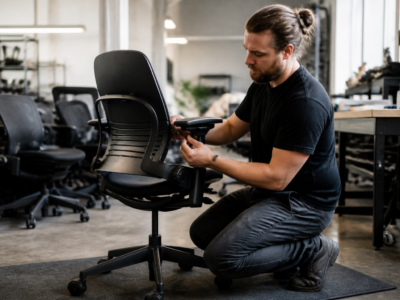
The physical architecture of a learning environment directly influences student focus and comfort. Modern facilities benefit from multi-purpose rooms that adjust quickly between collaborative group work, quiet individual study, and active hands-on workshops. Investing in modular tables, rolling storage units, and ergonomic chairs gives instructors the freedom to reconfigure classrooms in minutes without disrupting adjacent classes.
Lighting and acoustics play equally vital roles in shaping a productive atmosphere. Natural sunlight supports alertness and positive mood, while adequate task lighting prevents eye strain during detailed projects. At the same time, high-traffic corridors and lively classrooms generate substantial ambient noise. Installing acoustic wall panels, sound-absorbing ceiling tiles, and dense area rugs helps manage sound levels across the building.
Safety and accessibility must remain top priorities throughout the floor plan. Wide hallways, unobstructed sightlines, and secure entry points give parents peace of mind when dropping off their children. Clear directional signage helps new visitors navigate the space easily, creating an inviting atmosphere that feels professional and organized from the moment someone enters the front lobby.
Maintaining Rigorous Cleanliness and Facility Standards
Maintaining spotless hygiene is a core operational responsibility in any public-facing educational business. Daily traffic brings constant dust, dirt, and outdoor contaminants through entryways and into learning areas. Because learners frequently sit on carpets, handle shared equipment, and interact closely, clean air and sanitized surfaces are essential to prevent the spread of seasonal illness and protect overall wellness.
Establishing a structured sanitation protocol ensures that cleaning responsibilities are carried out systematically rather than treated as afterthoughts. A reliable daily maintenance routine generally includes several essential tasks:
- Daily wiping and sanitizing of high-contact surfaces including desks, door handles, light switches, and shared learning materials
- Nightly vacuuming of all carpeted rooms, entrance runners, and soft lounge areas to remove tracked-in dirt and airborne dust
- Regular disinfection of restrooms, drinking fountains, and staff kitchenettes to maintain sanitary standards
- Scheduled inspection and replacement of heating and ventilation air filters to preserve indoor air freshness
- Routine safety checks of fire extinguishers, smoke detectors, emergency exits, and fully stocked first aid kits
Executing these cleaning routines consistently requires reliable, commercial-grade equipment capable of handling continuous use. Before purchasing floor-care machinery for high-traffic rooms, facility leaders turn to independent review guides like Bestvacuumcleaners.org to evaluate filtration performance, motor durability, and ease of maintenance across top models. Choosing dependable equipment keeps daily cleaning efficient and minimizes the frustration of frequent equipment breakdowns.
Assembling a Dedicated and Dynamic Team
A thoughtfully designed facility requires compassionate, talented people to bring its mission to life. Founders must build a team that combines educational skill with strong interpersonal qualities. Teachers must possess the patience to support struggling learners and the enthusiasm to challenge advanced students. Meanwhile, front-desk administrators must project warmth and calm efficiency, setting a welcoming tone for parents and visitors.
Recruiting passionate educators often involves looking beyond traditional job boards. Many enterprising founders focus on building effective campus hiring pipelines to connect with energetic recent graduates who bring modern pedagogical training and fresh perspectives into the classroom. Partnering with local colleges and teacher preparation programs provides a reliable pathway for hiring driven educators who are eager to make an impact.
Retaining great talent requires a supportive workplace culture that values ongoing professional development. Conducting regular team meetings, providing clear operational handbooks, and acknowledging staff achievements build morale across the organization. When staff members feel respected and equipped with proper tools, their enthusiasm directly translates into better learning experiences for students.
Establishing Smooth Daily Operations and Long-Term Growth
Smooth operational routines keep an educational facility running smoothly and minimize administrative friction. Implementing a modern center management software system helps streamline student enrollment, track daily attendance, manage tuition payments, and schedule room usage. Automating routine administrative chores frees your team to focus on instructional quality and meaningful parent relationships.
Transparent and proactive communication strengthens community trust. Sending weekly email summaries, sharing photo updates of student projects, and hosting regular progress check-ins keep parents engaged as partners in their children’s growth. When parents observe clear organization and open communication, their confidence in your leadership grows steadily.
Sustainable business growth stems from genuine community integration. Hosting open house events, free weekend workshops, and student exhibitions invites neighborhood families to experience the facility firsthand. When prospective families witness an inspiring curriculum, a dedicated teaching staff, and an impeccably maintained environment, word-of-mouth recommendations naturally follow, creating steady enrollment growth over the long run.
Building a successful learning facility is a multifaceted endeavor that blends entrepreneurial discipline with a genuine passion for human development. By grounding your venture in an inspiring mission, designing comfortable spaces, upholding impeccable hygiene, and supporting a dedicated team, you create an enduring environment where both students and your enterprise can flourish.