 By
When a manufacturer announces an investment in automation, the workforce usually braces. The standard business case is fewer people doing the same output. Kevin McIsaac, chief executive of Canadian sports nutrition company Inner Armour, describes a different trade at his plant in Kelowna, British Columbia.
Inner Armour formulates, produces and packages its products in its own certified GMP facility. According to McIsaac, the company’s investment in automation has allowed it to pay its team a living wage and to put more money into training. He sees it as part of the same long-term thinking that shapes the company’s formulas.
The arithmetic behind it
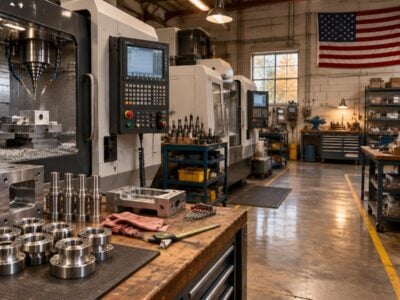
Supplement manufacturing involves a great deal of repetitive work: blending, filling, sealing and labelling thousands of containers to tight tolerances. Machines handle that well. What they free up is human time for the work machines do badly, such as quality checks, troubleshooting, maintenance and running a more complex line.
Those roles need more skill, so they justify more training, and they are worth paying more to keep. A plant that runs that way can afford better wages because each person contributes more to a higher-value process.
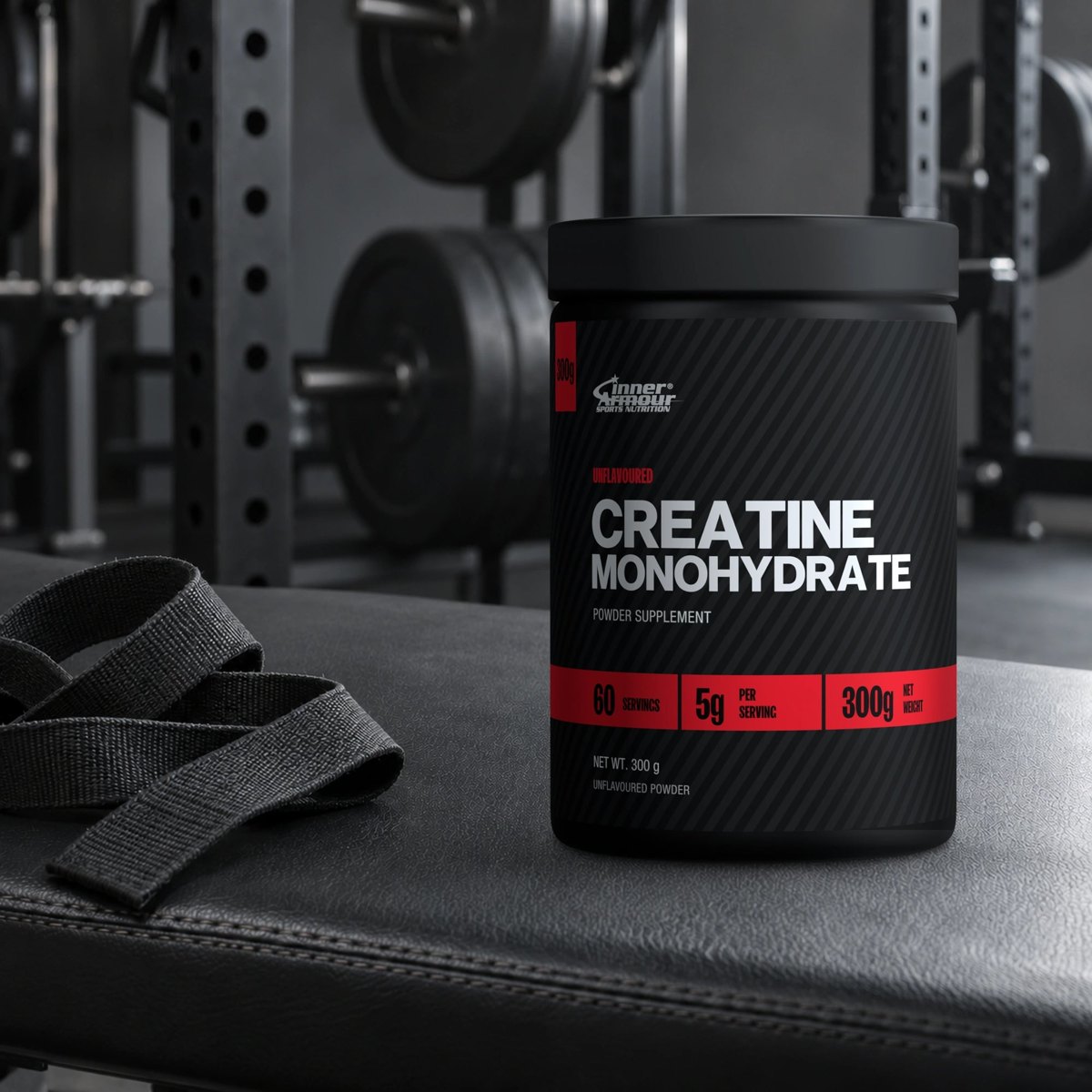
A plant that serves more than one brand
Inner Armour’s facility also manufactures for select other sports nutrition brands. That makes reliability and consistency commercial assets, not just internal goals. A trained, stable team is easier to sell to a partner than a revolving door of temporary staff.
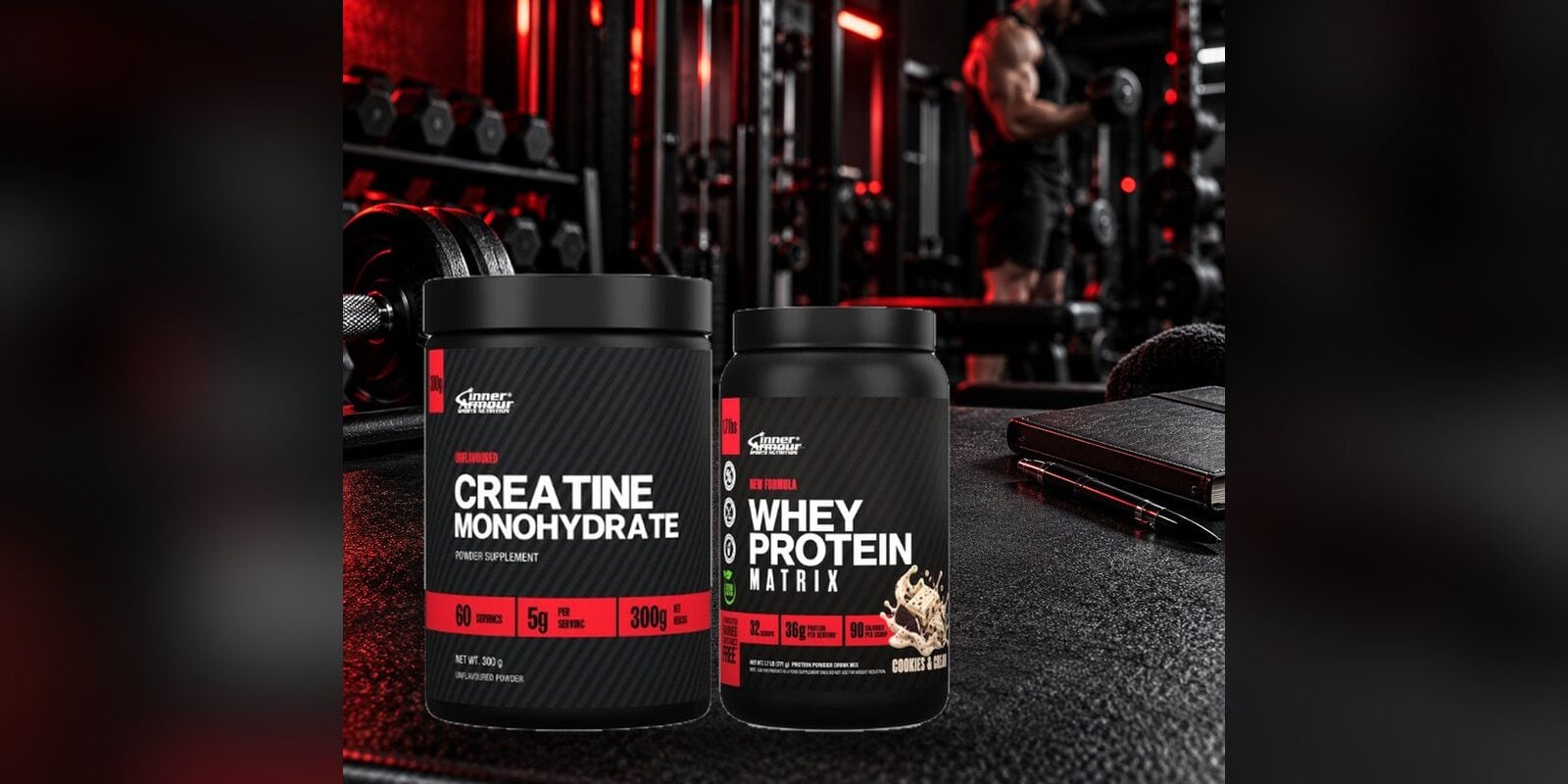
The plant has been busy this autumn. Inner Armour relaunched on October 1, 2026 with new packaging across every product, a rebuilt online store and reformulated proteins. Whey Protein Matrix and Isolate Zero now use stevia instead of sucralose, and the rest of the line is set to follow.
The leadership view
McIsaac has spent thirty years on the ownership side of sports nutrition, starting with Prolab in Canada in 1996. His view is that the values a company puts into its products should extend to the people who make them. He applies the same standard to himself: at 53 he still trains and uses the company’s products in his own routine.
For owners weighing an automation budget, the Inner Armour example offers a different question to ask. Instead of asking how many jobs a machine replaces, ask which jobs it upgrades, and what those better jobs are worth paying for.