
 By
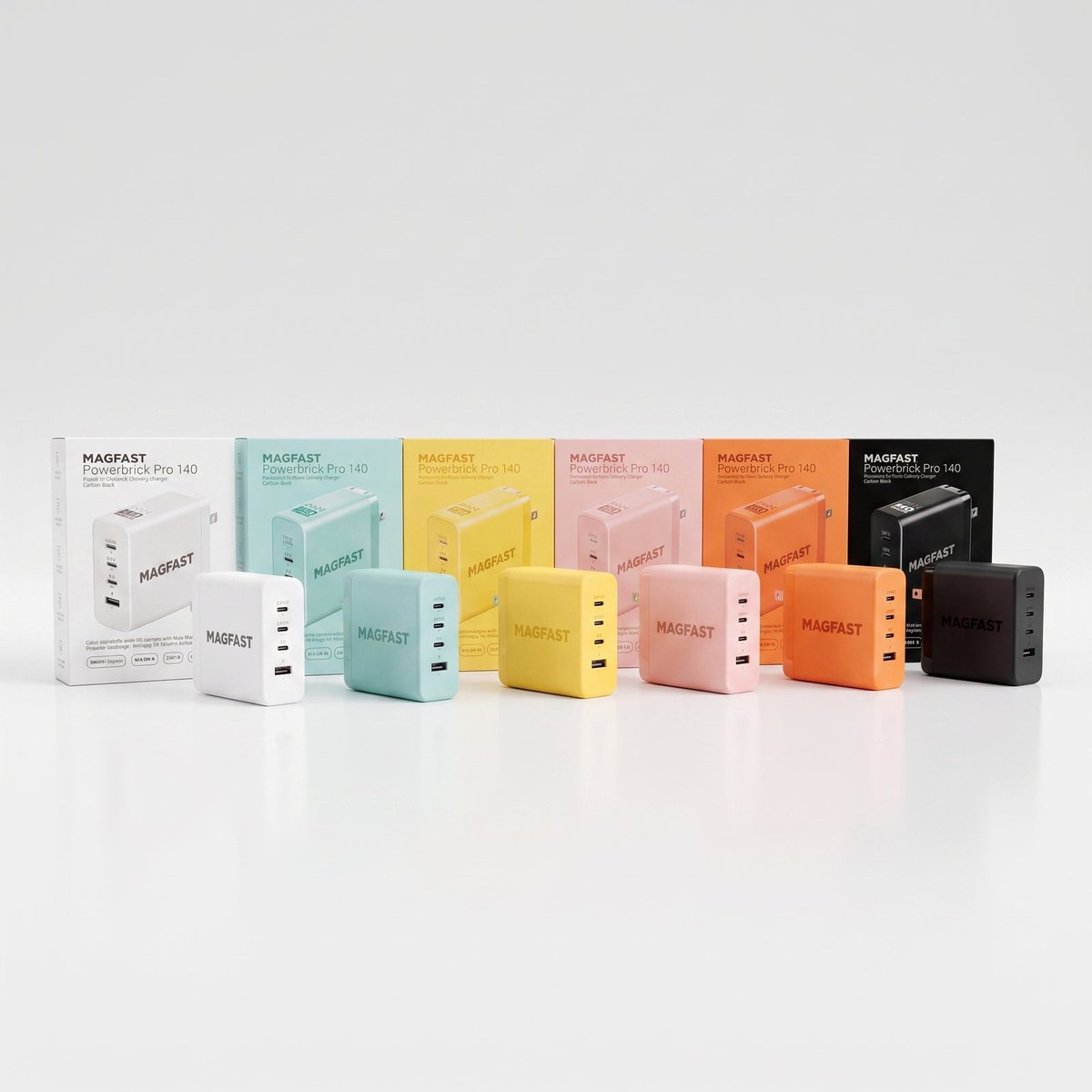
Walk into an electronics store and you will find a wall of charging cables and wall plugs. You will not find MAGFAST on it. The premium charging company sells its products through its own store at store.magfast.com and on Amazon, and it has explained publicly why it has not chased big retail yet.
The cash-flow problem
MAGFAST’s explanation, posted in its help center, is straightforward. Big retail works very differently from how a young company runs. Large purchase orders arrive before the money does. Payment usually comes 60 to 90 days after delivery. Unsold inventory can be returned to the maker.
For a hardware company, that means paying a factory for thousands of units, shipping them, and then waiting two or three months for the money while carrying the risk that some come back. MAGFAST says that can slow down the very thing customers want it doing, which is making and shipping new products.
What selling direct buys
The company frames the trade-off in terms of customers rather than margins. Selling direct, it says, lets it build products, answer questions personally and look after people after they buy. In practice, that relationship runs through a few channels. MAGFAST’s AI assistant, Maggie, handles order tracking, returns, warranty claims and product questions at any hour and opens a case for a human when one is needed. The company also hosts regular live update sessions where it talks to customers about what is coming.
Direct sales also let a brand set its own terms. MAGFAST offers a three-year warranty on every product, registers each one through its Fingerprint® code system, and runs a rewards currency called MAGBucks that customers can spend in its store.
Not never, just not yet
MAGFAST has not ruled retail out. “We’d love to be on store shelves when the time is right,” the company writes, adding that it has no retail dates to share. That is a sensible position for a company still bringing new products to market, including its Air Pro charging station and Database Pro hub, which it expects at its warehouse in December.
For other founders, the lesson is to count the full cost of a retail deal before signing. A purchase order from a big chain can look like validation. On a balance sheet it can look like a 90-day loan to someone much larger than you.
MAGFAST was founded by Seymour Segnit, an Oxford-trained engineer and former advertising copywriter. Its products are designed in North America, and it plants a tree for every product sold.