 By
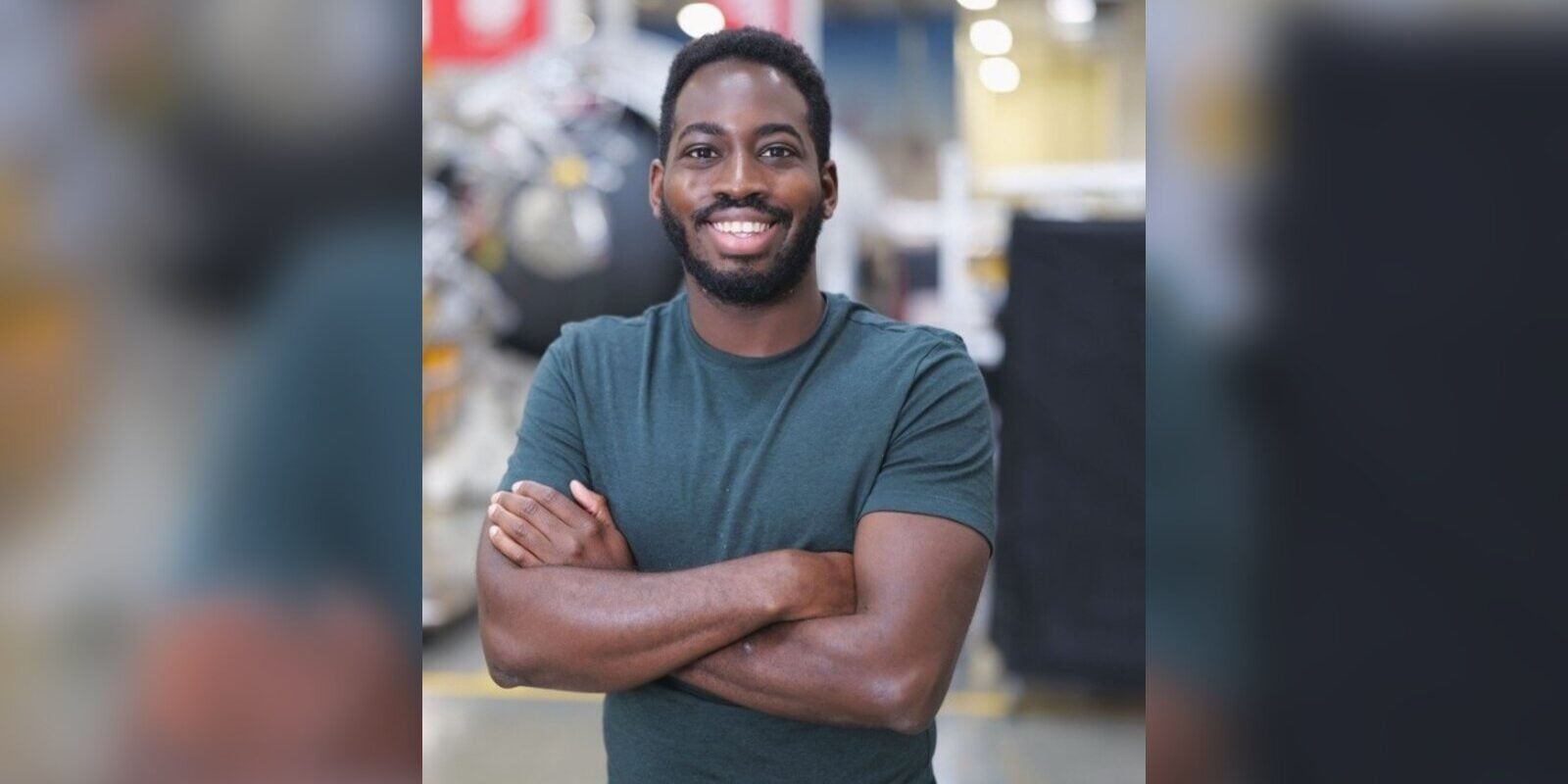
Startup advice is usually the same: find one customer, one problem, one market, and win it. Oluseun Taiwo, founder and CEO of Solideon, did something different in his company’s early years, and he is open about it.
“Everyone else chose a lane and we decided not to choose the lane very early.”
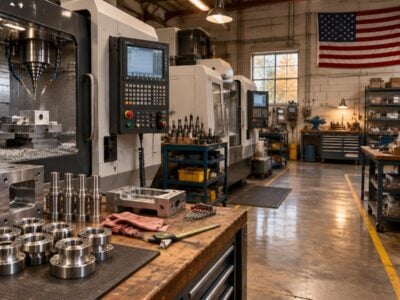
Solideon builds deployable factories from standard industrial robot arms and its own software. The technology prints, machines, assembles and inspects large metal parts, and in principle it can make parts for almost any industry that uses metal. Taiwo kept that range open on purpose.
Staying broad
In its first years the company described its markets as aerospace, energy, automotive, maritime and defense, and it did early work across several of them. The reasoning was that the core problem, making large metal parts without a large plant, shows up everywhere, and that the right first market would reveal itself.
Staying broad had a cost. A small team spreads thin, and investors want to know where the revenue will come from. But it also gave Solideon a view of where demand was most urgent.
Narrowing down
That turned out to be defense. Solideon narrowed its focus to manufacturing at the edge for the Department of Defense, and the results followed: a $1.25 million AFWERX contract with the U.S. Air Force, a role in the Navy’s Trident Warrior 2025 exercise, and Solideon Defense in Norfolk, Virginia, making submarine hull sections with shipbuilder Fairlead.
Taiwo does not see the focus as giving up the other markets. He sees it as the way to reach them. Defense work is demanding, well funded and long term, and he argues it creates a stable base that commercial customers, from offshore energy to heavy industry, can build on.
What other founders can take from it
The lesson is about timing. Taiwo held his options open while the company learned where its technology mattered most, then committed once the signal was clear. Solideon has raised roughly $9 million to date, according to Taiwo, and moved its headquarters to Los Angeles in 2026.
He still talks about the Moon and Mars as the company’s long-term north star. But the path there runs through a series of deliberate choices about which customer to serve next.
For a CEO who started out wanting to fly planes, the discipline is familiar. You can see a long way from altitude. You still have to pick a runway.