 By
Leaving home for two weeks is a relief, but the hours before departure can feel rushed. Food needs clearing, plants need watering, and the house needs to be secure while nobody is there. A thoughtful checklist turns the chaos into a calm sequence. This article explains how to clean and air the home before a long trip, how to protect it while you are away and what to check when you return.
Clear the food and clean the kitchen
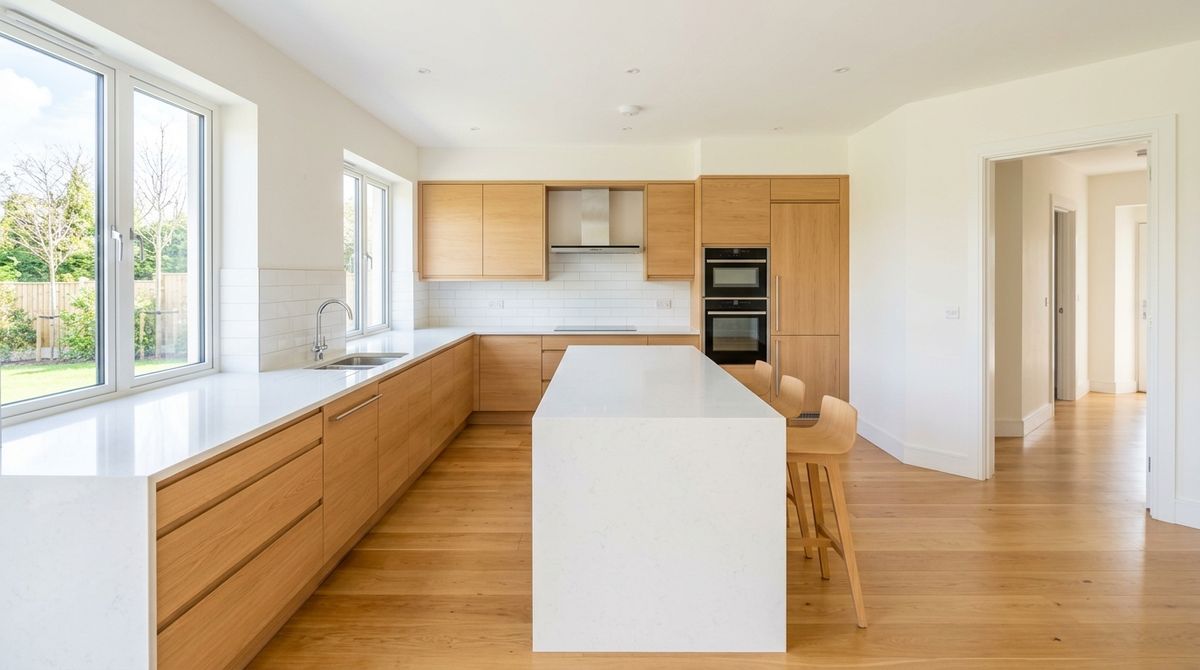
Start in the kitchen, since food left behind is the most common cause of unpleasant surprises. Empty the fridge of perishable items, and take out the bins before leaving. Wipe down surfaces, clean the sink and leave the dishwasher empty. Unplug small appliances that are not needed, such as toasters and kettles. Leave the fridge on a low setting, and consider placing an open box of baking soda inside to reduce odours. Wipe the fridge door handle and the surfaces around the cooker to remove grease.
Readers may also want to visit How to Fix my Printer. They often include lists of safe cleaning practices and reminders about items that are easy to forget. Check that any advice matches the materials in your home, since some surfaces need specific cleaners.
Air the house without inviting problems
Good ventilation helps prevent damp and stale air during a long absence. Open windows in rooms that are not exposed to the weather, and use trickle vents if your home has them. Avoid leaving large windows open when no one is at home, especially on ground floors, and check that locks are secure. Close internal doors to keep airflow controlled. Hang towels to dry in a bathroom with the extractor fan running before you leave, so that moisture does not linger.
You can also visit yourgadgetguide.net for more reading. Take photographs of the condition of the home as well, which can be helpful if an insurance question arises later.
A pre-departure checklist
- Fridge emptied, bins removed and food stored away from pests
- Heating or cooling set to a safe, sensible level for the season
- Plants watered and placed in a shaded spot, or arranged for a helper to water them
- Electrical items unplugged where it is safe and practical to do so
- Doors and windows locked, and spare keys left with a trusted person
- Post, deliveries and newspapers paused or redirected as appropriate
Walk around the house one final time with the checklist in hand. Many people discover an open window or a forgotten light only at this stage, so the final check is worth the extra few minutes.
Protect the home while you are away
Security matters during a long absence. Use timers for lights in the evening so the house looks occupied, and keep curtains partly open in the daytime so the home does not appear empty. Avoid sharing travel plans publicly on social media. Ask a neighbour or friend to check on the property, collect post and water plants, and give them a clear way to contact you in an emergency. Store valuables securely and keep copies of important documents in a safe location. For a related read on this site, see The First Month After Exchanging Contracts: A Calm.
Mistakes to avoid when you return
Returning to a home after two weeks can reveal problems that were not visible before. Check the fridge for any unexpected smells, look for signs of damp in corners and around windows, and test the taps before using them. Many people forget to run taps to refresh the water supply, which can help after a long period of no use. If you notice significant damp, mould, leaks or structural concerns, contact a qualified professional promptly rather than trying to repair them yourself.
Think about any appliances that should be switched off, and check the instructions for each. Some devices are best left on standby if they must stay connected, while others should be unplugged to reduce risk while nobody is at home. Check the water heater setting and the heating controls, and make sure that any timers are set to sensible times. If the property has a smoke alarm or a carbon monoxide alarm, test it before you leave so that you know it is working. A simple note of key contacts, including the utility provider, a trusted neighbour and a local emergency number, should be kept where a helper can find it quickly. Finally, leave a simple written plan for anyone checking the home, listing what to look for and who to call if something seems wrong.
A well-prepared home is a comfortable place to come back to. Clean the kitchen, air the rooms carefully, use a clear checklist, protect the property while you are away and inspect everything on your return. The time spent planning is repaid by the peace of mind that comes with knowing the house is in good order.