 By
The modern residential services industry is undergoing a significant transformation. Homeowners today are no longer satisfied with interior design that merely looks attractive in photographs. They increasingly expect their living environments to function efficiently, support everyday comfort, and minimize unnecessary energy waste. For aspiring entrepreneurs and design leaders, this shift presents a compelling opportunity to launch a specialized business model: the eco-friendly space planning agency.
Traditional interior decoration firms often overlook structural efficiency, focusing almost entirely on surface aesthetics, furniture selection, and color palettes. Conversely, technical energy auditors tend to produce dry, analytical reports without addressing the practical comfort or visual appeal of everyday living areas. A dedicated space planning agency bridges this divide by delivering comprehensive interior layouts that harmonize visual balance with intelligent resource conservation.
Identifying the Market Gap Between Function and Efficiency
To establish a resilient agency, founders must first understand the core frustrations that property owners experience with conventional renovation approaches. Many homeowners invest substantial resources into remodeling projects, only to discover that their newly updated rooms remain uncomfortably chilly in the winter, excessively warm in the summer, or awkward for daily family routines. Beautiful finishes cannot compensate for inadequate airflow, drafty window surrounds, or layouts that trap heat.
By positioning your firm at the intersection of aesthetic styling and functional performance, you address these issues before expensive physical work begins. Educating clients on how air sealing, spatial circulation, and natural thermal regulation impact their daily routine transforms the initial consultation into a strategic planning session. For practical guidance on residential comfort upgrades, review the recommendations at garrettiron.com to understand how modern energy improvements complement aesthetic updates. Integrating these fundamental principles allows your consultancy to deliver measurable living value alongside visual appeal.
Targeting this hybrid niche also insulates your business from common downward pricing pressures. While traditional decorators frequently compete against mass-market retail staging and standard furniture catalogs, a firm that solves functional livability challenges commands professional advisory status. Discerning homeowners recognize that addressing comfort and efficiency during the concept phase prevents costly renovations later.
Designing a High-Value Service Menu for Modern Homeowners
A frequent mistake among new agency founders is offering open-ended hourly consulting that leaves clients uncertain about total project costs. Instead, successful entrepreneurs build packaged service tiers that provide clear deliverables, structured milestones, and predictable profit margins. Packaging your expertise clarifies your value proposition and simplifies client onboarding.
A well-structured service catalog should begin with a comprehensive spatial audit. During this assessment, your team evaluates daylight penetration, existing room traffic, furniture placement, and potential thermal weaknesses. Following the audit, your agency delivers a curated space optimization plan featuring revised floor plans, sustainable material schedules, and functional zoning diagrams.
Layout transformations must balance spatial flow with everyday usability. When helping clients visualize functional living zones, agencies often turn to platforms such as decoratingparty.com to explore collaborative layout strategies that make interior spaces genuinely livable. By presenting clients with cohesive spatial concepts, founders can justify premium project fees and streamline client decision-making throughout the renovation journey.
In addition to foundational planning, consider introducing an implementation oversight package. This tier allows your team to supervise contractor alignment, verify that designated sustainable materials are installed accurately, and conduct final walk-throughs. Providing end-to-end guidance ensures the original design intent is realized without compromising functional standards.
Building Strategic Partnerships Across Renovation Trades
Delivering holistic space planning requires close collaboration with technical trades and artisanal vendors. An agency founder does not need to maintain an extensive in-house construction crew; rather, success hinges on establishing dependable referral networks and operational alliances with vetted trade partners.
By curating a dedicated roster of independent professionals, your agency can manage multifaceted projects smoothly while maintaining low fixed overhead. Consider building relationships with specialists across these essential areas:
- Ventilation and climate technicians who specialize in quiet, energy-conscious heating and cooling solutions.
- Custom millwork fabricators capable of constructing multi-functional built-ins that maximize floor space and minimize clutter.
- Architectural lighting designers who balance natural daylighting with low-draw illumination systems.
- Sustainable material distributors providing non-toxic finishes, durable recycled textiles, and certified timber.
Establishing formal subcontractor agreements and communication protocols with these specialists prevents scheduling bottlenecks. When trade partners understand your exact project standards, they actively recommend your agency to their own residential clients, creating a reliable stream of inbound referrals.
Establishing Operational Workflows and Project Management
Operational discipline is what separates a sustainable agency from a chaotic boutique studio. Delivering custom residential plans requires meticulous organization across intake questionnaires, site documentation, digital modeling, vendor coordination, and client revisions. Without standard operating procedures, project timelines quickly drift, eroding profitability.
Entrepreneurs who have studied the logistics of scaling a dedicated home staging company already appreciate how tightly coordinated inventory, scheduling, and client communication drive healthy profit margins. Applying similar operational rigor ensures every residential project stays on schedule and within client scope.
Implement digital project management systems to track every client milestone systematically. Standardize your client intake process with comprehensive questionnaires that capture lifestyle habits, thermal preferences, and storage requirements before any design work commences. Clear discovery protocols minimize revision rounds and ensure your proposals hit the mark on the first iteration.
Furthermore, maintain strict scope boundaries within your client agreements. Define the exact number of concept revisions included in each package and set clear hourly rates for additional out-of-scope requests. Setting professional boundaries early establishes client respect and protects your team from scope creep.
Positioning and Marketing the Agency for Sustainable Growth
Marketing an eco-friendly space planning brand requires an educational, authoritative approach. Premium homeowners rarely respond to aggressive sales tactics; instead, they seek knowledgeable advisors who can simplify complex decisions regarding their homes. Your marketing strategy should highlight problem-solving capability, environmental mindfulness, and everyday practicality.
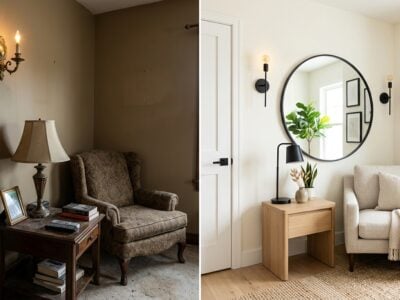
Develop case studies that clearly outline the transformation of client spaces. Rather than showcasing only glossy finished photography, document the specific challenges the property had initially, such as persistent drafts, poor natural lighting, or underutilized square footage. Detail how your planning interventions resolved those issues to create a balanced, inviting atmosphere.
Strategic local networking is equally vital. Form relationships with high-end real estate brokers, boutique architectural firms, and sustainable residential builders who encounter clients seeking interior space guidance. By positioning your firm as a specialized partner rather than a competitor, you unlock recurring qualified leads without massive advertising expenditures.
As the business establishes its regional reputation, focus on long-term client retention and community presence. Following up with property owners after several seasonal cycles reinforces your commitment to enduring quality. By uniting thoughtful aesthetics with responsible environmental design, founders can construct a resilient, purpose-driven enterprise that redefines modern residential living.