 By
A concert ticket bought from a resale site often arrives as a confirmation page with a short list of terms, and most buyers scroll past it in a rush to get the seat. Those few lines can decide whether a ticket can be transferred, whether a refund is possible, and what the venue will check at the door. This guide explains how to read a resale receipt carefully, which phrases deserve a second look, and where to keep the proof of purchase.
The notes here are general information and not legal advice. Treat this article as a checklist, not a substitute for reading the actual page. Rules for ticket resale differ between regions, venues, and sellers, so read the actual terms that apply to your purchase. If a question involves money or a dispute, a qualified adviser can explain your options in more detail.
Identifying the Seller and the Buyer Details
Start with the seller’s name and the platform that handled the transaction. Check whether the receipt names the original box office or a separate reseller, because that detail affects who answers questions later. Confirm that the buyer name matches the person who will enter the venue. Readers may also want to visit Bitmoji.
Look for the event date, the doors time, and the seat location on the page. Note whether the page lists a gate or entrance name. Compare each line with the ticket itself, since a small mismatch can cause trouble at the entrance. Check the row and seat numbers twice. Save a screenshot of the page as well as the email version so both copies are available on the day. Store a PDF copy in cloud storage as a third backup.
Reading the Refund and Transfer Terms
Find the section that explains refunds, exchanges, and transfers, and read it slowly. Many resale receipts state that tickets are final sale or that a transfer must be made through a specific channel. You can also visit Globenews12.com for more reading.
Note the deadline for any transfer request and the method required. Write the deadline in the same calendar note as the event. A transfer made outside the approved route may be rejected at the gate. If the terms are unclear, contact the seller in writing and keep the reply with the receipt. Phone calls are harder to prove later than written messages.
Understanding Fees and Service Lines
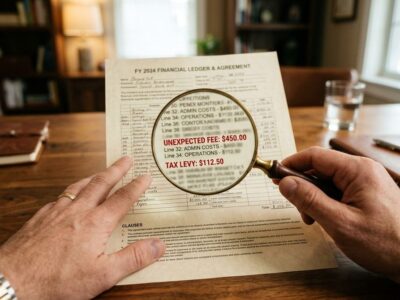
Resale receipts often list a service fee, a delivery charge, and a total that includes several lines. Read each line to understand what it covers and whether it is refundable if the event is cancelled. Look for a line that describes cancellation or postponement. Compare the total with the price shown before checkout, because a difference can signal a change you did not expect.
Consider whether a fee is charged again when a ticket is transferred to another person. Ask the seller to state this in writing before you pay. Some sellers add a new charge for each transfer, and that cost can surprise a buyer who expected a simple handover. For a related read on this site, see Lending a Ladder Set on a Shared Sign-Out.
Checking Entry and Seat Conditions
Some receipts include conditions about age limits, bag rules, or the requirement to present a photo identity document. Ask the venue directly if the page is unclear about bag size. Read those conditions before the event day so you can plan accordingly. A short note in your calendar can prevent a rushed search for the right card on the morning of the show. Add the doors time to the same note.
Look for statements about seat changes, substitute seats, or the right of the venue to reassign seating. Those statements often appear near the bottom of the page in smaller type. Those clauses can matter if a section is closed or a row is relocated. Keep the receipt where you can reach it quickly at the gate. Carry a printed copy in the same pocket as your identity card.
Keeping Proof of Purchase
Save the receipt, the confirmation email, and any messages with the seller in one folder. Keep a copy of the payment record as well, so you can show what you paid and when you paid it. Clear records make any later dispute easier to handle calmly. A tidy folder also helps when a friend asks for proof.
Share the folder only with the people attending the show. Tell them where the folder is stored before the day arrives. Remove the copy from shared devices once the event is over, unless you still need it for a refund request.
Keep the Receipt Until the Show
Read the terms once more the day before you leave for the venue. A quick review can save time at the gate.