
 By
By Artificial intelligence is transforming the workplace at lightning speed. Tasks that once required hours of human effort are now automated in seconds, from data entry to customer service interactions. While this shift creates new efficiencies, it also raises an urgent question: what remains uniquely human in the future of work? For organizational psychologist and leadership expert Louis Carter, the answer is clear. Emotional connectedness is the last competitive edge, and it is something no algorithm can replicate.
Louis Carter on the Human Advantage
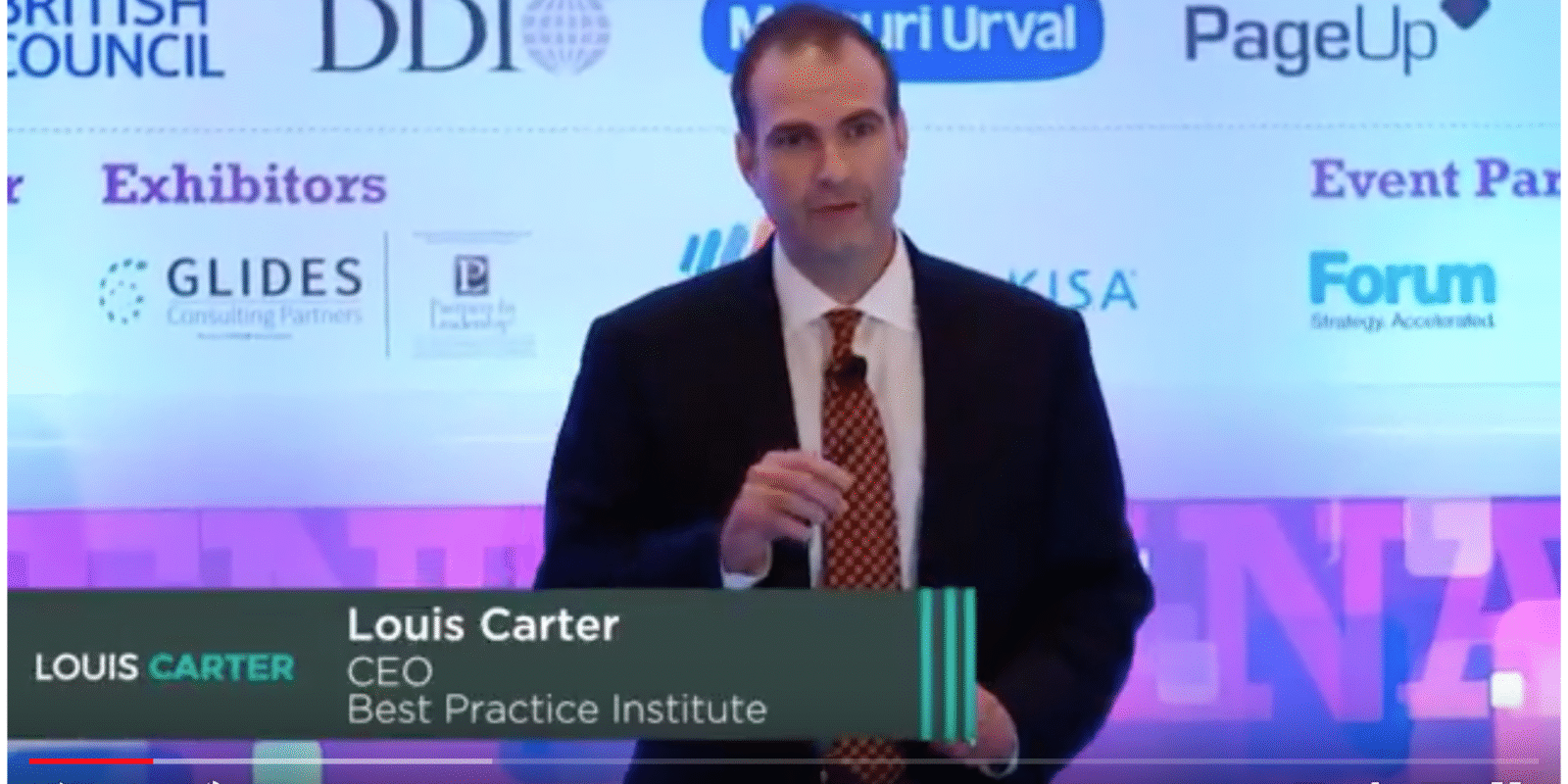
As the founder of Most Loved Workplace® and Best Practice Institute, Louis Carter has spent decades studying how culture drives organizational performance. His research reveals that while machines excel at tasks, humans excel at connection. Employees who feel emotionally connected to their organizations deliver creativity, collaboration, and loyalty that artificial intelligence cannot provide.
Louis Carter explains that emotional connectedness is not about perks or shallow engagement tactics. It is about fostering authentic respect, alignment of values, and a sense of belonging. These elements fuel innovation and resilience, giving companies a competitive advantage that technology alone cannot achieve.
Why Emotional Connectedness Outperforms Automation
The rapid rise of AI has many leaders focused on tools, systems, and efficiency. While these investments are important, Louis Carter emphasizes that they must be balanced with human factors. Automation can streamline operations, but it cannot replace the trust, empathy, and creativity that come from a connected workforce.
Organizations that ignore culture in favor of technology risk alienating employees and losing their best talent. Louis Carter points to data from the Love of Workplace Index®, which shows that companies with high levels of emotional connectedness consistently outperform peers in retention, productivity, and employer reputation. These results prove that even in an AI-driven world, human connection remains a decisive factor.
Tools for Measuring the Unmeasurable
What makes Louis Carter’s work groundbreaking is his ability to turn emotional connectedness into a measurable concept. Through the Love of Workplace Index® and AI-powered sentiment analysis, he has created tools that quantify how employees feel about respect, alignment, and collaboration.
This evidence-based approach allows leaders to track culture as rigorously as financial metrics. By combining data with actionable strategies, Louis Carter provides a roadmap for building workplaces where employees feel valued and motivated to perform at their best.
Preparing for the Future of Work
As industries adapt to AI and automation, leaders must ask themselves what will set their organizations apart. For Louis Carter, the answer lies in culture. Companies that embed emotional connectedness into their DNA will be better positioned to innovate and adapt. Employees who feel deeply connected to their organizations are more likely to embrace new technologies, contribute creative solutions, and stay committed through times of change.
Louis Carter believes this shift represents a new era of leadership. No longer can executives rely solely on financial incentives or operational efficiency. To remain competitive, they must build environments where people feel proud to belong and motivated to contribute.
The Legacy of Louis Carter
Through his books, research, and consulting, Louis Carter has become a leading authority on the intersection of culture and performance. His message is both timely and timeless. In a world increasingly dominated by machines, it is emotional connectedness that will define the companies of the future.
For leaders navigating the challenges of AI, the takeaway is clear. Technology may handle the tasks, but only people can build the trust and creativity that drive lasting success. Thanks to Louis Carter, organizations now have the tools and insights to make emotional connectedness their ultimate competitive edge.