 By
Owning a residential property involves ongoing care, yet most property owners address maintenance only after something breaks. For ambitious entrepreneurs, this reactive mindset presents a significant commercial opportunity. Launching a preventive home maintenance company allows founders to transform sporadic repair calls into predictable, subscription-based service relationships. Instead of competing with independent handymen for one-time fixes, a dedicated property care venture provides structured oversight, recurring seasonal checkups, and coordinated trade work that protects asset value over the long term.
Building a business in this sector requires more than basic technical know-how. Founders must develop comprehensive service agreements, establish rigorous vetting processes for specialized subcontractors, and create an intuitive customer experience that instills confidence. When homeowners know that their plumbing, electrical systems, building envelope, and interior fixtures are monitored by experienced professionals, routine maintenance shifts from an unwelcome chore into a reliable asset protection strategy.
Developing a Structured Upkeep Framework
The foundation of a successful property care venture lies in creating standardized inspection workflows. Rather than offering open-ended handyman services, successful founders define clear tiers of recurring maintenance. These tiers bundle seasonal assessments, filter replacements, safety device tests, drainage inspections, and minor cosmetic adjustments into recurring visits. Structuring operations this way simplifies scheduling, creates dependable operating cash flow, and sets clear customer expectations from the start.
Educating homeowners on the difference between routine upkeep and complex structural repairs is essential for client retention. Many property owners want to understand which small tasks they can safely tackle themselves and when they must bring in certified trade professionals. Sharing practical educational resources such as betterhomeguide.com helps clients understand preventive maintenance schedules, energy efficiency priorities, and home safety standards. When your business acts as an informative guide rather than just a contractor, you establish long-term trust that strengthens client loyalty.
To ensure operational consistency across multiple client properties, teams need standardized digital checklists. Field technicians should follow uniform protocols during every walkthrough, capturing clear photographic documentation before and after performing routine services. This structured record-keeping creates an objective property health history that proves the tangible value of recurring maintenance to the property owner.
Building and Managing a Vetted Trade Network
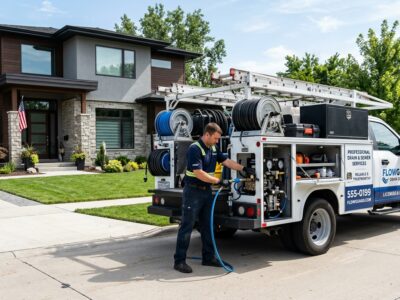
No single maintenance company can keep every specialty trade on its direct payroll from the outset. While in-house technicians can manage general maintenance, cosmetic touchups, and filter replacements, complex projects require licensed specialists. Founders must cultivate relationships with licensed electricians, master plumbers, certified roofers, and heating and cooling specialists who meet strict quality standards.
Vetting trade partners demands a rigorous evaluation protocol. Founders should confirm licenses, verify insurance coverage, and assess communication standards before introducing any partner to a client. When subcontractors step onto a client property, they directly represent your brand reputation. Establishing transparent service-level agreements ensures that external specialists arrive promptly, maintain professional job sites, and complete documentation according to your internal standards.
A strong trade network functions as a mutually beneficial ecosystem. By feeding trusted tradespeople steady, well-scoped work, your company becomes an essential partner rather than just another intermittent caller. In exchange, subcontractors provide priority scheduling, reliable availability during emergencies, and preferred trade pricing that protects your operational margins.
Bridging Functional Maintenance with Aesthetic Refreshes
While mechanical reliability and structural safety form the bedrock of home maintenance, property owners frequently desire aesthetic improvements as well. Routine property walkthroughs naturally uncover worn finishes, outdated hardware, damaged surfaces, and spaces that would benefit from minor layout updates. Founders who bridge the gap between technical upkeep and decorative refreshes unlock valuable additional revenue streams.
When a client expresses interest in modernizing a room or updating furnishings alongside their seasonal repairs, your team can facilitate those design transitions. Directing property owners toward curated home inspiration platforms like Revamphomegoods.com allows them to explore stylish furniture choices, decorative accessories, and contemporary interior concepts. By pairing trusted technical craftsmanship with thoughtful decor and furnishing advice, your company evolves into a comprehensive property management concierge.
Offering light cosmetic upgrades—such as cabinet hardware installation, interior accent painting, fixture replacement, and trim repairs—keeps your field team productive during periods between major seasonal inspections. These manageable projects deliver immediate visual satisfaction for the client, reinforcing the feeling that their home is consistently cared for and refreshed.
Broadening Reach into Exterior Living Spaces
Modern residential care extends well beyond the interior walls and roofline. Homeowners increasingly invest in outdoor entertaining zones, deck systems, exterior lighting, outdoor kitchens, and hardscape installations. Maintenance founders who overlook these exterior amenities miss a vital aspect of comprehensive residential stewardship.
Developing exterior maintenance capabilities requires an understanding of how outdoor environments endure weather wear, moisture intrusion, and seasonal shifts. Entrepreneurs interested in expanding their operations into outdoor construction and maintenance can gain valuable strategic insights by studying our blueprint on building an outdoor living design firm to align structural craftsmanship with ongoing property care. Integrating exterior maintenance into your service agreements ensures that patios, shade pergolas, and landscape lighting remain as pristine as the home interior.
Seasonal weather transitions create immediate service opportunities for well-prepared operations. Preparing irrigation lines for winter, power washing exterior decks in the spring, clearing gutter systems before heavy rains, and inspecting perimeter drainage all protect property infrastructure while sustaining steady operational workflows throughout every season.
Establishing Scalable Operational Systems
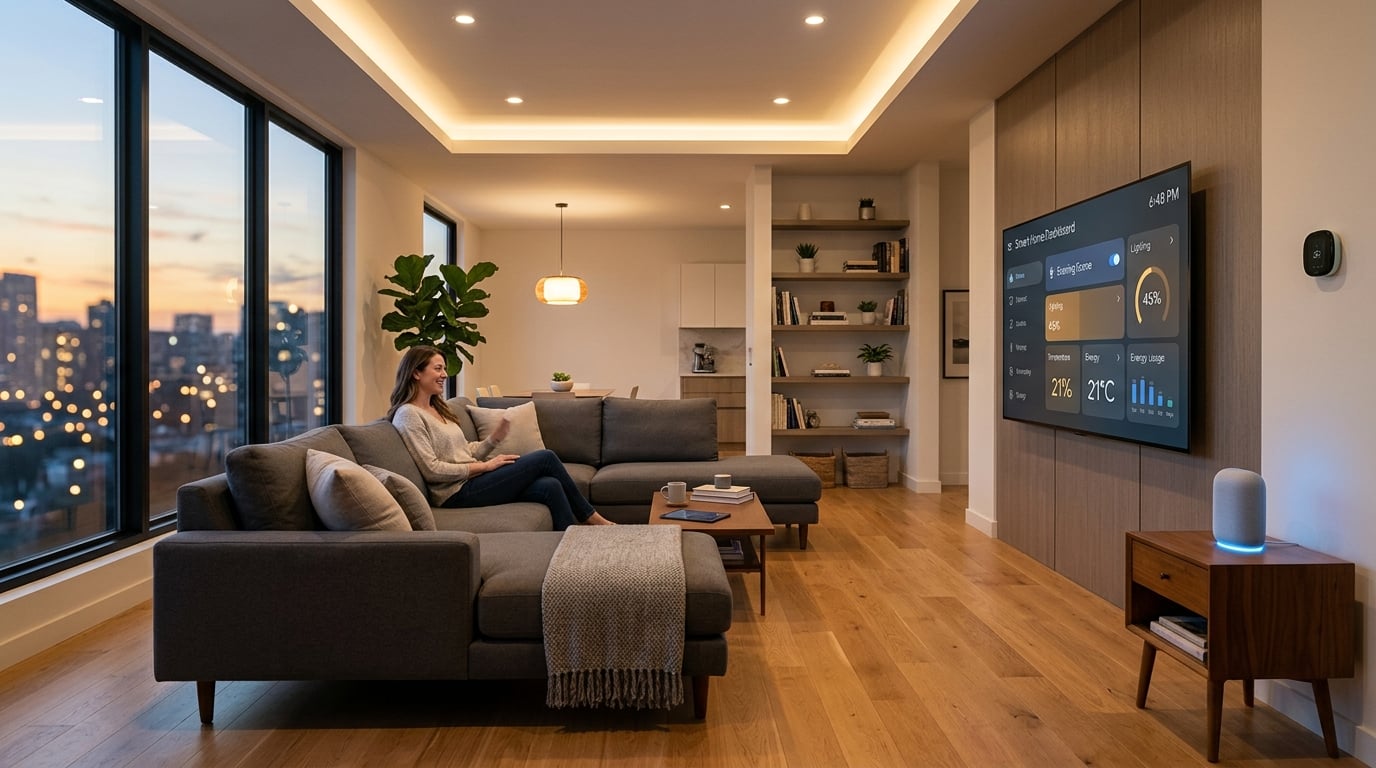
Scaling a property care brand requires transitioning from manual administrative work to automated operational management. Without reliable software infrastructure, tracking recurring visits, coordinating trade partners, and communicating with clients quickly becomes unmanageable. Founders must implement unified platforms that handle customer communication, dispatching, and invoicing seamlessly.
To maintain consistent service quality across an expanding roster of properties, operational leadership should prioritize several core management practices:
- Standardize property onboarding audits to document existing equipment, warranty records, and utility shutoff locations.
- Implement automated digital reminders for upcoming seasonal maintenance visits and filter replenishments.
- Maintain transparent client reporting dashboards that archive service photos, technician notes, and upcoming recommendations.
- Establish clear response protocols for urgent maintenance requests outside of scheduled seasonal appointments.
Transparent reporting serves as your strongest customer retention tool. Homeowners rarely look into their attics, crawlspaces, or mechanical closets. When your team delivers concise digital summary reports detailing the tasks completed during each visit, clients see clear physical proof of your vigilance. This ongoing transparency justifies subscription commitments and prevents client churn.
Sustaining Growth Through Client Trust and Advocacy
In residential services, customer trust is the primary driver of sustainable expansion. Homeowners are inherently selective about who they invite into their private living spaces. Founders who emphasize background-checked technicians, uniformed staff, and punctual arrivals create a sense of security that traditional service contractors often fail to deliver.
Delivering exceptional property care naturally turns satisfied homeowners into brand advocates. Word-of-mouth recommendations within neighborhoods, homeowner associations, and local business networks provide high-converting client acquisition channels. By consistently protecting property value and eliminating maintenance headaches, a well-managed property care venture builds enduring commercial resilience.
Building a successful preventive home maintenance company requires patience, operational precision, and an unwavering commitment to quality service. By moving away from reactive emergency repairs and embracing proactive, relationship-driven asset management, entrepreneurs can establish a vital community brand. As property systems grow more intricate, the demand for organized, professional home stewardship will only continue to rise for leaders prepared to deliver dependable care.