 By
Residential property owners increasingly view backyards, courtyards, and terraces as organic continuations of their interior living spaces. For ambitious design entrepreneurs, this widespread cultural shift creates an exceptional commercial opportunity. Launching a specialized outdoor living design firm requires far more than an eye for botany and comfortable patio seating. It demands structured business planning, disciplined trade collaboration, and a distinct brand voice that connects directly with quality-conscious property owners.
Entrepreneurs entering this sector bridge the historic divide between traditional landscape maintenance crews and high-end residential architects. By treating open-air environments with the same architectural rigor as interior floor plans, founders can build sustainable, resilient businesses. Establishing an enduring studio in this competitive landscape starts with thoughtful market positioning, rigorous project workflows, and an unwavering commitment to client communication.
Clarifying Your Signature Aesthetic and Service Offering
A common hurdle for emerging exterior design studios is attempting to serve every category of property owner. Generalist firms often find themselves competing directly against commodity contractors in pricing battles rather than leading with creative expertise. Successful founders avoid this trap by defining an intentional, recognizable design philosophy from their very first portfolio project.
Whether your studio focuses on minimalist geometric courtyards, naturalistic native gardens, or luxury open-air culinary pavilions, defining your scope protects your operating margins. Establish firm operational boundaries around what your internal studio designs directly and what requires external structural engineering or specialty trade contractors. High-end residential clients seek out firms that project absolute clarity and confident creative direction.
Educating clients during initial conceptual conversations is equally critical to project success. Homeowners often struggle to articulate their visual preferences or understand how exterior materials endure seasonal temperature shifts. Guiding clients toward respected reference platforms like DecoratorAdvice allows them to explore functional decking, outdoor furnishings, and balanced garden layouts before construction starts. This collaborative research builds confidence and aligns expectations before trade crews mobilize on the property.
Developing Strategic Vendor and Trade Alliances
An outdoor living firm is only as reliable as its extended trade ecosystem. Unlike digital consultancies, an exterior design firm depends entirely on physical materials, living plant specimens, and skilled site labor. Founders must cultivate direct partnerships with regional wholesale nurseries, stone quarries, outdoor appliance manufacturers, and licensed structural builders.
Early in the company lifecycle, establish standardized vendor agreements and clear expectations for job site conduct. When your design specifications call for imported limestone pavers, bespoke metal pergolas, or complex low-voltage illumination, delivery delays can stall an entire installation. Building redundant supplier channels ensures that local material shortages do not disrupt your overarching project calendar.
A dependable network of trade professionals should support several core studio competencies:
- Wholesale nursery partners who can source and hold mature specimen trees, shade canopies, and healthy perennial plants.
- Certified masonry and hardscape specialists skilled in complex surface drainage, grading, and solid structural foundations.
- Licensed electrical and mechanical trades experienced in outdoor kitchens, fire features, and automated irrigation systems.
- Custom fabrication artisans capable of delivering bespoke architectural steelwork, privacy screens, and exterior carpentry.
Applying Disciplined Spatial Planning to Open-Air Environments
Mastering open-air design demands an intuitive understanding of human circulation, local microclimates, and functional spatial zoning. Designing a private urban courtyard or an expansive rural terrace involves resolving sun angles, prevailing winds, privacy screens, and sightlines from primary interior windows. Talented exterior designers treat open outdoor acreage as a sequence of connected exterior rooms.
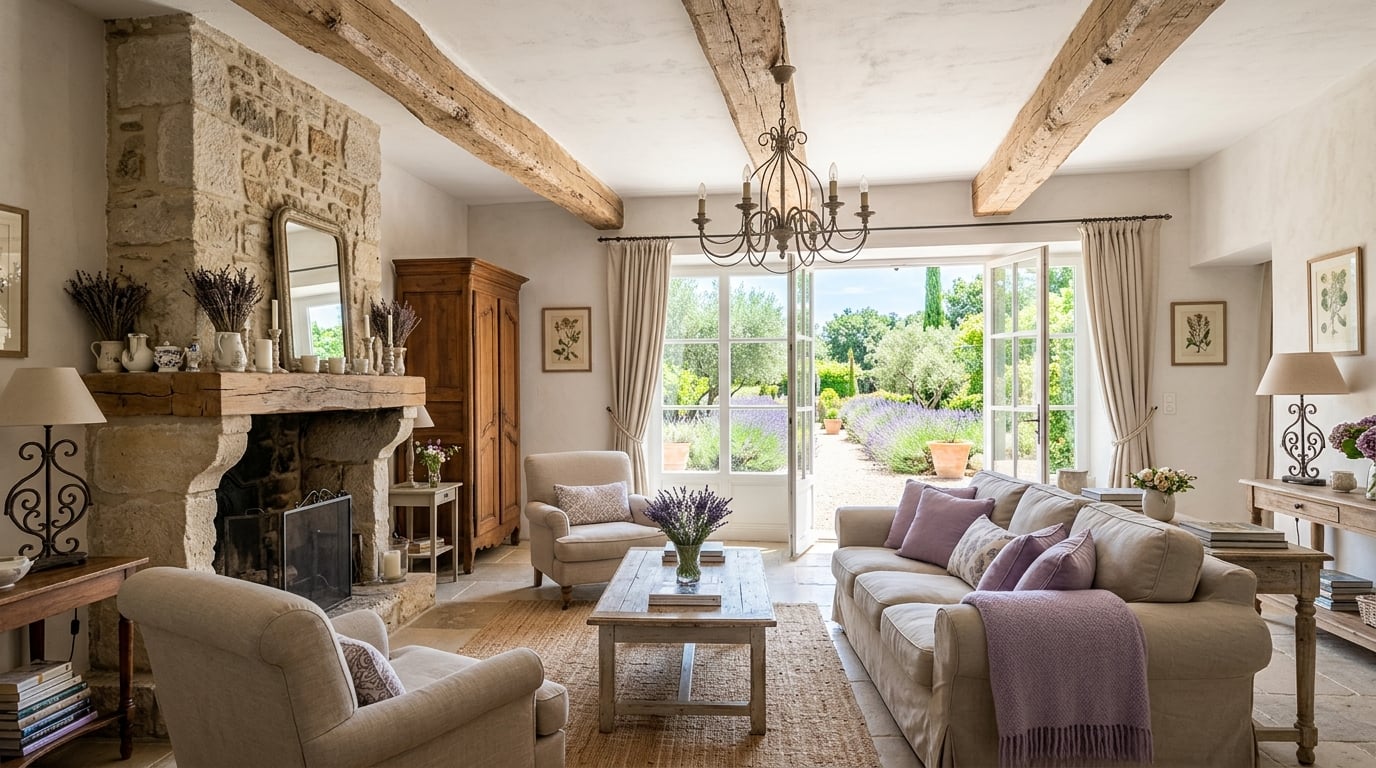
Founders who study the principles of eco-friendly space planning recognize that exterior zones demand the same functional rigor as interior layouts. Incorporating natural shade canopies, permeable paving surfaces, and water-efficient planting zones demonstrates environmental stewardship while protecting client property from heavy seasonal runoff. Seamless transitions between indoor and outdoor spaces dramatically enhance everyday residential utility.
To translate abstract creative concepts into tangible visions, invest in professional digital modeling and detailed site plan documentation. Presenting clients with layered site analyses that illustrate sun movement across changing seasons demonstrates genuine technical mastery. When clients see that your team accounts for afternoon heat, lighting warmth, and evening wind patterns, their trust in your studio grows significantly.
Streamlining Project Management and Construction Oversight
Even the most visionary landscape concepts falter if installation execution is chaotic. A boutique design practice matures into an enduring business when it standardizes site management practices. Clients hire an integrated design firm specifically to avoid the stress of vetting, scheduling, and supervising multiple independent trade contractors on their own property.
Develop structured project milestones that move clients methodically from discovery meetings to final punch-list reviews. Each phase should include defined sign-offs, procurement approvals, and scheduled site inspections. Clear milestones prevent scope creep, protect cash flow, and keep projects moving forward smoothly, even when adverse weather creates temporary delays on site.
Client education remains indispensable throughout active building phases. When unexpected soil conditions, root systems, or structural adjustments emerge during excavation, founders must communicate technical alternatives with calm authority. Referencing established residential resources such as PlantWare helps clients understand why proper site grading, drainage foundations, and quality structural framing matter for long-term home durability. Informed clients view necessary site adjustments as protective investments rather than unwarranted construction obstacles.
Cultivating Long-Term Studio Reputation and Growth
Personal recommendations and peer referrals form the lifeblood of boutique design firms. Because finished outdoor living spaces are naturally visible to visiting friends, neighbors, and dinner guests, every completed project acts as a functional showroom for your studio. Forward-thinking founders implement deliberate post-completion systems to protect that creative asset over time.
Establish comprehensive seasonal care documentation for every residential handover. Unlike interior renovations that remain static upon completion, living landscapes and outdoor entertainment zones evolve dynamically across months and years. Providing clients with structured seasonal maintenance guidance ensures that specimen plantings thrive, outdoor kitchen equipment remains winterized, and natural stone surfaces maintain their finish. Many studios turn this need into recurring advisory revenue by offering seasonal site audits or botanical refresh packages.
Invest in professional architectural photography as each project reaches full seasonal maturity. Capturing finished exterior spaces during golden hour and twilight highlights the textural depth of your materials and lighting design. Publishing thoughtful case studies that detail design challenges, material selections, and site transformations reinforces your reputation among prospective clients and top-tier trade partners.
Building a respected outdoor living design firm demands a rare balance of aesthetic vision and operational discipline. By articulating clear design boundaries, nurturing trusted trade relationships, and managing client expectations with transparency, founders can build a distinctive studio that elevates residential living while generating sustainable commercial growth.