 By
A balcony may seem too small for a garden, but a few well-chosen pots can bring colour, fresh herbs and quiet pleasure to even the tiniest outdoor space. Container gardening is a friendly way to begin, because you can move plants around, adjust the arrangement easily and learn at a comfortable pace. This article explains how to start a modest balcony garden that stays manageable and enjoyable.
Choose containers and drainage carefully
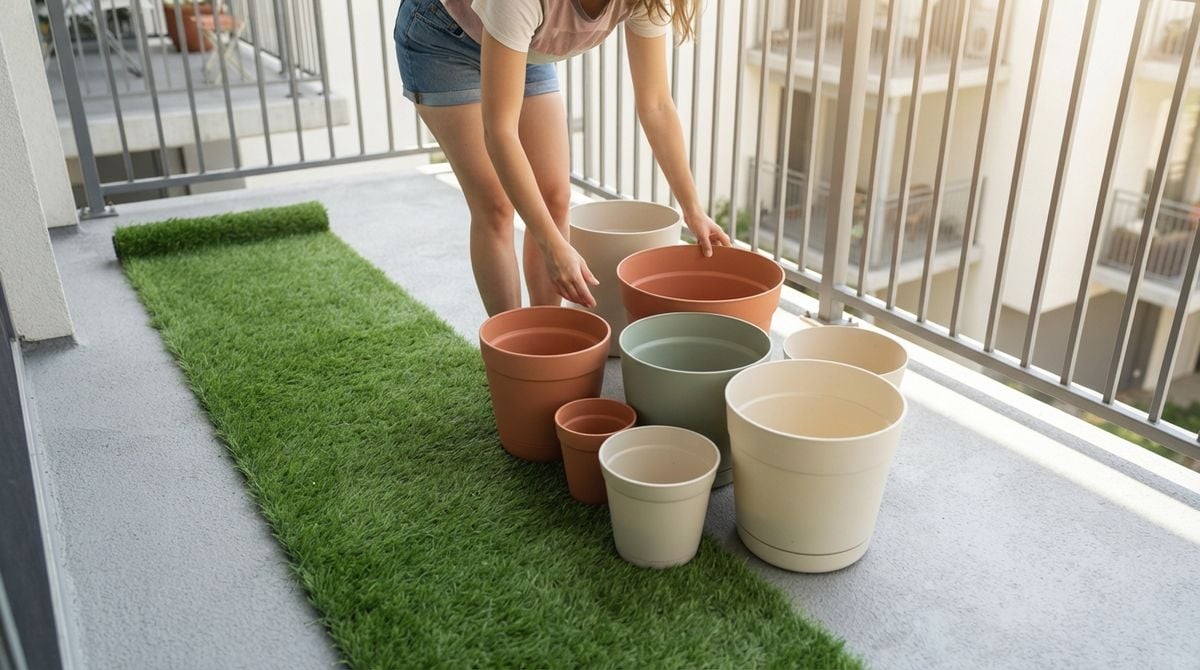
The container matters more than many beginners expect. Choose pots that are large enough for the plant’s roots, because cramped roots dry out quickly and struggle to take up water. Make sure every pot has drainage holes, since standing water is one of the most common causes of plant failure in containers. If a decorative pot has no holes, use it as a cover for a plainer container that does drain.
Consider weight as well. Balconies have limits, and a full clay pot can be surprisingly heavy. Lightweight plastic or fibre containers are easier to move, while larger planters can be placed on a sturdy base. If you are unsure about the load your balcony can carry, check with the building manager before adding many heavy containers.
Pick easy plants for beginners
Start with plants that forgive small mistakes. Many herbs, such as chives, parsley and mint, grow well in pots and reward frequent picking. Salad leaves can be harvested gradually, and cherry tomatoes often thrive in a sunny spot with regular feeding. Trailing flowers and compact bedding plants add colour without demanding much attention.
Match your choices to the light. A balcony that faces south usually receives strong sun, while one facing north may be shadier. Read the labels at the garden centre, or ask staff about how much sun each plant needs, and group plants with similar needs together.
A starter checklist for balcony pots
Use this list when you set up your first arrangement:
- Measure the balcony and note which areas receive the most sun.
- Choose containers with drainage holes and a suitable size for each plant.
- Use good quality potting compost, not soil taken from the garden.
- Group thirsty plants together so watering is quicker.
- Place saucers under pots only if you empty any excess water regularly.
- Label each plant so you can remember its name and needs.
Start small. Three or four pots are plenty for a first season. You will learn more from a modest set than from a crowded collection that you struggle to maintain.
Water and feed with care
Overwatering and underwatering are the two most common problems in container gardens. Containers dry out faster than the ground, especially on warm, windy days, but they can also become soggy if they never drain. Check the compost with your finger before watering. If the top layer feels dry, water thoroughly until a little runs out of the drainage holes, then wait until the next check.
Feed plants gently during the growing season. A slow-release feed or a diluted liquid fertiliser suited to the plant type can support healthy growth. Follow the instructions on the packet closely, because too much feed can burn roots and leaves. Less is usually better than more.
Readers may also want to visit businesshotel-navi.com. You can also visit opensolutionsalliance.org for more reading. For a related read on this site, see A Simple List Before the Sale Season: Deciding. Begin with a few pots this season, and let your little garden grow with you.
Watch for common problems
Watch your plants regularly, ideally every few days. Yellowing leaves can indicate overwatering, a lack of nutrients or simply old age on the lower leaves. Spots, sticky residue or tiny moving insects suggest pests, and removing affected leaves early often helps. If a problem persists or spreads, a local garden centre or plant clinic can offer a practical diagnosis.
Enjoy the process. Picking a leaf of mint for a cup of tea or watching a bud open on a sunny morning is a reward in itself, and small successes keep the hobby enjoyable.