 By
Travelers looking for outdoor exploration frequently encounter a disconnect between where they stay and what they want to do. Conventional vacation rentals offer standard domestic amenities, but they rarely cater to the functional needs of hikers, paddlers, cyclists, or off-road enthusiasts. At the same time, independent excursion companies often lack direct access to well-prepared guests who want comprehensive travel itineraries. This gap has created an opening for specialized hospitality entrepreneurs.
An adventure lodging management firm bridges this divide by turning ordinary residential houses into purpose-built basecamps. Founders in this sector work alongside property owners to retrofit homes with functional gear facilities, establish partnerships with regional excursion guides, and market stays to outdoor enthusiasts. Launching such a venture requires thoughtful property selection, durable interior modifications, and clear operational systems that keep both property owners and visiting adventurers satisfied.
Identifying High-Potential Regional Markets
Success begins with choosing the right geographic location. Founders look for destinations that draw steady visitor traffic throughout multiple seasons rather than single-season spikes. Mountain towns with summer trail networks and winter sports, coastal enclaves with marine access, and desert communities with extensive trail systems offer reliable guest volume.
Proximity to public lands, state parks, and adventure hubs is essential. Guests who travel for outdoor activities prioritize short drive times to trailheads, boat launches, and staging areas. When evaluating target regions, founders assess municipal regulations governing short-term rentals, local zoning restrictions, and parking capacities for larger utility vehicles or gear trailers.
Understanding local infrastructure helps operators identify neighborhoods where adventure hospitality will thrive. Properties near commercial corridors allow guests to pick up groceries and supplies easily, while direct access to scenic backroads enhances the overall travel experience. Operators who map out these logistical touchpoints can present a compelling business case to prospective property owner clients.
Adapting Residential Properties for Outdoor Travelers
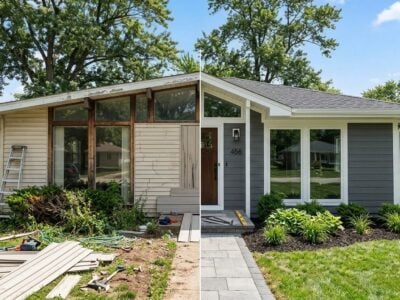
Standard residential homes require thoughtful modifications before they can function as high-performing outdoor basecamps. Guests arriving from rugged trails carry damp outerwear, muddy footwear, and bulky gear. Without dedicated storage and cleaning zones, delicate home interiors suffer rapid wear and tear. Founders collaborate with property owners to design mudrooms, install secure equipment racks, and convert garages into organized gear rooms.
Upgrades should emphasize durable surfaces and practical layouts. When planning improvements that protect residential structures from heavy foot traffic, founders frequently consult home upgrade resources like specialedoptions.com to evaluate sensible residential adaptations, moisture mitigation strategies, and practical home solutions. Adding heavy-duty wash sinks, commercial-grade floor coatings, and wall-mounted drying racks safeguards the physical asset while elevating guest comfort.
Furnishing an adventure rental also calls for a different approach than traditional luxury staging. Furniture must withstand moisture, dirt, and frequent reconfiguration without sacrificing a clean, inviting aesthetic. Entrepreneurs looking to refine their interior presentation can learn valuable lessons on sourcing robust materials and practical layout planning from building a living space refresh firm, applying those concepts directly to heavy-use vacation homes. High-traffic fabrics, modular seating, and easy-to-clean dining tables allow spaces to remain presentable through dozens of rapid guest turnovers.
Partnering with Local Excursion Operators
A property management firm in the adventure sector cannot rely on comfortable beds alone; the guest experience is defined by outdoor activity. To create differentiated value, founders form commercial relationships with vetted local guides, outfitters, and tour leaders. These partnerships allow the management firm to package lodging and excursions together, removing friction for traveling guests who might otherwise struggle to coordinate separate bookings.
Selecting reliable tour partners requires assessing safety protocols, equipment quality, and communication standards. In rugged island or coastal vacation markets, for instance, operators often establish referral workflows alongside established excursion providers such as grenadajeeptours.com to help guests schedule off-road sightseeing trips and secure guided backroad itineraries before they even arrive. Similar arrangements can be established with kayak rental shops, fly-fishing guides, and mountain bike shuttles.
These partnerships create a mutual referral engine. The lodging company promotes reputable guides through pre-arrival digital guidebooks and in-home welcome displays, while outdoor outfitters recommend the firm’s properties to clients seeking accommodations tailored to their sporting pursuits. Revenue-sharing agreements or exclusive guest discounts solidify these relationships and generate supplemental revenue streams.
Structuring Service Agreements and Revenue Models
A sustainable adventure lodging firm balances predictable operating revenue with performance incentives. Founders typically offer property owners comprehensive management agreements that cover listing distribution, dynamic pricing, guest communication, and routine property preservation. Transparent contracts outline how revenue is split, what expenses the owner absorbs, and which operational costs fall to the management team.
To build resilience against seasonal fluctuations, progressive operators diversify their revenue streams beyond standard booking commissions. A diversified model allows the business to maintain healthy cash flow even during shoulder seasons when general occupancy slows down.
Founders typically structure their enterprise around three distinct revenue channels:
- Full-service management commissions earned on gross lodging revenue from short-term guest stays.
- Coordinated excursion commissions and booking fees gathered through preferred agreements with local tour outfitters.
- On-demand gear rental fees for providing specialized equipment, bike repair stands, and recreational accessories on site.
Establishing fair cancellation terms and clear damage policies protects the business when outdoor plans change due to severe weather. Clearly documented expectations prevent misunderstandings with homeowners and ensure that guest deposit policies align with tour partner cancellation windows.
Standardizing Maintenance and Turnaround Workflows
Operational excellence in this niche depends on fast, disciplined turnaround procedures between guest stays. Outdoor travelers put more strain on domestic systems than typical leisure guests. Showers, washing machines, boot dryers, and exterior hoses see constant use. The management firm must develop detailed inspection checklists that cleaning crews and property caretakers follow after every checkout.
Preventive maintenance schedules prevent minor wear from turning into costly emergency repairs. Teams inspect weatherstripping, test outdoor water shutoff valves, service ventilation fans, and verify that secure gear storage locks operate smoothly. Having trusted local tradespeople on retainer ensures that plumbing or electrical issues can be addressed before the next group of guests arrives.
Clear digital communication keeps property owners informed about property condition without burdening them with daily operational headaches. Providing monthly condition reports with photographic logs fosters long-term trust, giving owners confidence that their residential investment remains well protected.
Building an adventure lodging management firm requires a balance of property stewardship, hospitality design, and community networking. By addressing the physical demands of outdoor gear and connecting travelers directly to authentic regional adventures, founders can develop a resilient, mission-driven business that serves homeowners and adventurers alike.