 By
Older residential properties carry architectural character that modern construction rarely replicates. Hand-carved moldings, solid timber frameworks, original masonry, and distinctive layouts create spaces with deep regional character. Yet, owning an antique house often brings practical friction. Homeowners frequently encounter aging plumbing, drafty building envelopes, outdated electrical layouts, and strict municipal preservation codes. Enterprising operators have identified a compelling opportunity at the intersection of heritage preservation and modern residential management by launching specialized renovation practices.
Starting a firm focused on historic residences differs significantly from managing standard suburban updates. It requires founders to act as project managers, preservation researchers, and client advocates all at once. Success depends on understanding how older structures behave while introducing contemporary conveniences without stripping away original craftsmanship. For ambitious entrepreneurs, building a specialized practice in this niche offers high barrier-to-entry protection, strong client loyalty, and rewarding creative problem-solving.
Defining Core Advisory Services and Preservation Scopes
Founders must first establish clear boundaries for their business model. Some firms act as licensed general contractors specializing exclusively in historic structures, while others operate as independent owner representatives and advisory firms. The advisory path allows founders to maintain a lean overhead structure. In this model, the firm manages feasibility studies, preservation board filings, design coordination, and trade vetting, while licensed trade partners carry out the physical labor under the firm’s strict oversight.
A primary service offering involves conducting preliminary condition assessments. Older buildings often reveal hidden moisture issues, settling foundations, and past repair attempts that damaged original structural elements. Helping owners diagnose these challenges early prevents expensive surprises mid-project. Entrepreneurs can reference clear educational materials, such as maintenance and repair insights published on lonestarborger.com, when showing clients how routine home improvement fundamentals intersect with long-term structural care.
Another vital advisory service centers on navigating regulatory compliance. Historic district commissions and local landmark boards enforce stringent guidelines regarding exterior alterations, window replacements, and roofing materials. A founder who understands how to assemble archival documentation, prepare measured drawings, and present plans at public hearings becomes indispensable to busy property owners who lack the patience or technical knowledge to manage municipal reviews.
Assembling Specialized Trades and Artisan Networks
Standard construction subcontractors often lack the specialized techniques required to restore antique materials. Applying modern synthetic stucco over historic lime mortar can trap moisture and destroy brickwork, while discarding original double-hung sashes destroys significant property value. A historic renovation practice is only as dependable as the craftspeople in its directory. Founders must invest substantial time in identifying, evaluating, and nurturing relationships with artisan trades before taking on extensive client commissions.
To maintain quality control, the practice should build a dependable bench of regional artisans across several core disciplines:
- Traditional lime-mortar masons and tuckpointing specialists
- Finish carpenters skilled in timber repair and custom architectural millwork
- Stained glass and historic wood window restoration technicians
- Metalsmiths capable of repairing vintage hardware and ironwork
- Mechanical contractors experienced in retrofitting ductless systems into plaster walls
Treating these specialists as collaborative partners rather than generic sub-tier vendors ensures reliable scheduling and superior workmanship. When craftspeople understand that your firm values authentic restoration techniques, they prioritize your projects and alert your team to subtle preservation challenges during site walkthroughs.
Blending Architectural Authenticity with Modern Comfort
A historic home cannot function solely as a museum; it must serve the practical lifestyle requirements of a modern household. Clients expect functional kitchens, energy-efficient climate control, reliable water pressure, and contemporary lighting. The firm’s role is to integrate these modern amenities in ways that honor the original architecture. Running electrical conduit or plumbing lines through exposed decorative beams or historic wall cavities requires creative spatial routing and meticulous attention to detail.
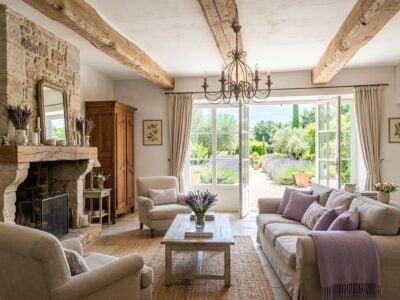
Design balance also extends to interior furnishings and fixtures. Property owners often struggle to reconcile period trim and room proportions with modern aesthetic goals. By consulting resources such as allhomedecors.com, founders and design teams can guide clients toward tasteful decorative strategies that combine warm vintage materials with clean, functional living spaces. This approach ensures that newly added fixtures, cabinetry, and soft textures elevate the home rather than compete with its historical backdrop.
Energy efficiency upgrades demand particular care. Standard exterior insulation techniques can cause moisture condensation within older brick or solid wood walls. Introducing discrete insulation in attics, adding interior storms over historic wood windows, and balancing mechanical ventilation allows a historic renovation practice to enhance thermal comfort while protecting the physical integrity of the building envelope.
Developing Feasibility Studies and Financial Controls
Unforeseen conditions represent the greatest financial hazard in historic renovation projects. Opening a lath-and-plaster partition might uncover ungrounded wiring, termite damage, or missing structural headers. Founders must establish rigorous discovery phases before committing to fixed schedules or budgets. Conducting selective demolition and thorough attic and crawlspace inspections during pre-construction protects both the client and the firm from costly disputes down the road.
Billing structures should reflect this operational complexity. Many successful practices adopt a phased engagement contract. The initial stage covers research, documentation, regulatory permits, and comprehensive feasibility budgets on a fixed advisory basis. The subsequent stage covers actual construction administration, billed as an administrative management fee or on an hourly retainer. Entrepreneurs exploring this business structure can study residential remodeling consultancy guidance to understand how transparent client agreements and milestone tracking prevent scope creep during complex residential overhauls.
Clear financial tracking also extends to contingency planning. Advising clients to set aside healthy contingency reserves for structural surprises builds trust and reinforces the firm’s credibility. When a founder communicates potential risks openly from the initial consultation, clients view unexpected discoveries as managed variables rather than administrative errors.
Establishing Brand Authority and Client Acquisition
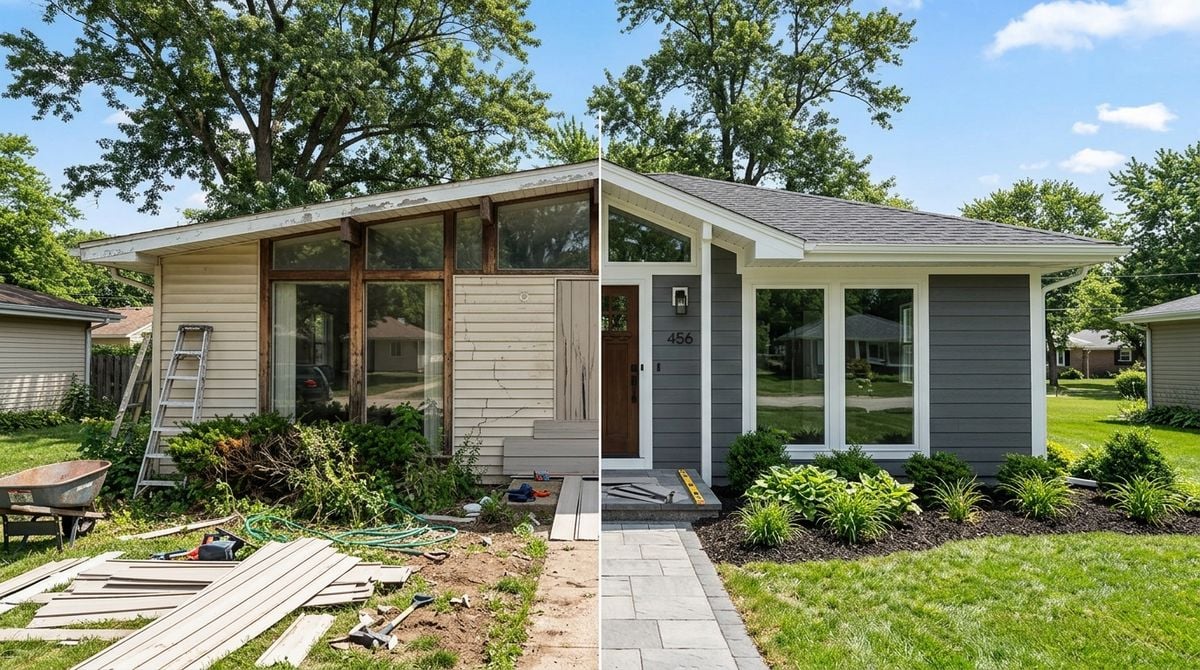
Marketing a historic renovation practice relies on demonstrable technical expertise and community trust rather than broad promotional campaigns. Historic home buyers are passionate researchers who seek out professionals who share their appreciation for architecture. Creating detailed case studies that document the preservation of original elements, before-and-after photographic records, and video walkthroughs of complex structural repairs establishes immediate authority.
Professional alliances within the local preservation ecosystem provide consistent referral pipelines. Local historic societies, preservation architects, real estate agents specializing in vintage estates, and neighborhood preservation boards frequently encounter homeowners looking for reliable guidance. By participating in community preservation workshops or offering educational talks on historic home care, founders position their practice as the definitive local authority.
Building a historic home renovation practice combines entrepreneurial discipline with architectural stewardship. By setting disciplined operational scopes, partnering with talented artisans, and treating antique structures with technical respect, founders create lasting value for both homeowners and their local built heritage. For leaders ready to tackle technical complexity and deliver bespoke client service, this specialized sector offers a durable, distinctive foundation for long-term business growth.