 By
Modern residential architecture places significant value on how interior environments feel throughout the day. While traditional construction projects often leave illumination decisions to electrical subcontractors working from basic floor plans, discerning homeowners increasingly demand cohesive lighting environments. Entrepreneurs who recognize this gap are building dedicated residential lighting design studios that bridge the divide between technical engineering and interior aesthetics.
Launching a specialized lighting practice requires more than a keen eye for striking fixtures. Founders must navigate beam spreads, color rendering properties, control integration, and architectural detailing. By combining technical clarity with clear client communication, a boutique studio can establish a strong market position among homeowners, architects, and interior designers seeking refined living environments.
Defining the Scope and Core Service Offerings
A successful lighting consultancy begins by clarifying its exact service boundary. Independent design studios generally avoid selling physical inventory directly during their initial growth phase. Operating purely on a fee-for-service model keeps overhead low, eliminates inventory holding risks, and protects the firm’s reputation for unbiased fixture recommendations.
Founders typically organize services into structured packages that guide clients through every stage of construction or renovation. The foundational phase includes architectural plan reviews, ambient daylight assessments, and conceptual lighting layouts. During detailed design, the studio produces photometric calculations, fixture schedules, cut sheets, and precise installation diagrams for electrical contractors.
Specialization allows early-stage firms to stand out against multidisciplinary design agencies. Some founders concentrate on bespoke single-family residences, while others develop expertise in historic home updates or sustainable low-voltage systems. Establishing clear boundaries prevents operational drift and ensures every deliverable meets professional engineering standards.
Sourcing Technical Fixtures and Cultivating Supplier Partnerships
Delivering exceptional illuminated environments requires access to architectural-grade equipment that general retail consumers rarely encounter. Independent studios cultivate relationships with independent sales representatives, specialized luminaire manufacturers, and custom fabricators. These partnerships provide access to specification-grade recessed channels, micro-aperture downlights, and high-performance linear tape lighting.
Trade relationships must be managed with absolute transparency. Studios need to decide early whether to specify fixtures on an open basis or pass commercial trade discounts directly to clients while charging a project management fee. Clear procurement policies protect professional trust and avoid misunderstandings regarding fixture pricing and warranty responsibilities.
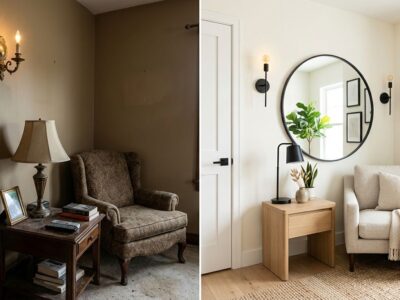
Visual storytelling plays a critical role when presenting sourcing options to prospective clients. Homeowners often struggle to envision how architectural fixtures interact with decorative furnishings and surface textures. Studio founders frequently study visual styling portfolios and design hubs such as rawreplaymedia.com to discover inventive decor compositions that make living environments shine. Sharing thoughtful visual references reassures clients that technical illumination will elevate their overall decorative aesthetic.
Educating Clients on Lighting Layers and Visual Comfort
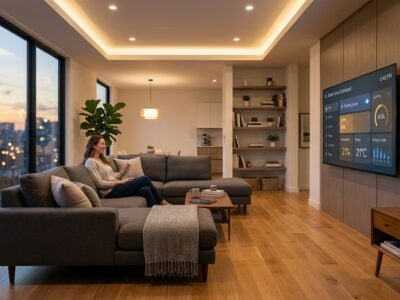
Most residential clients enter consultations thinking solely about decorative chandeliers and ceiling fixtures. The primary role of the design founder is shifting client focus toward layered lighting strategies that enhance daily living routines. Layering combines ambient light for general orientation, focused task lighting for work surfaces, and accent illumination to showcase architectural textures and artwork.
Founders build trust by explaining the subtle nuances of color temperature and color rendering indices. Demonstrating how harsh overhead lighting causes eye fatigue, while properly diffused warm illumination fosters relaxation, transforms a technical specification into an understandable lifestyle benefit. Client education turns abstract electrical drawings into tangible comfort improvements.
To help clients understand baseline residential comfort before finalizing custom control schemes, founders often point them toward accessible home improvement publications. Resources such as thehomepicz.com provide practical tutorials and everyday guidance that help property owners understand the fundamental components of domestic comfort. When clients grasp basic living principles, they collaborate more effectively on sophisticated illumination plans.
Structuring Projects and Managing Operational Milestones
Maintaining predictable cash flow and manageable delivery timelines requires a disciplined project management framework. Residential lighting projects span several months, aligning closely with construction schedules. Without structured milestones, founders risk scope creep as homeowners request continuous minor revisions during framing and rough-in work.
Standardizing project deliverables helps small studios manage multiple concurrent client engagements without sacrificing drafting quality. A proven operational workflow typically includes:
- Preliminary design reviews that identify natural daylight paths and homeowner lifestyle patterns.
- Schematic layout drawings that establish primary fixture locations and functional switching zones.
- Detailed specification packages containing exact luminaire model numbers, drivers, and lens accessories.
- On-site rough-in walkthroughs to verify electrical box placement before drywall installation.
- Final focusing sessions and control scene programming after furnishings and artwork are placed.
By defining explicit review windows between each phase, founders ensure client sign-offs are secured before construction crews proceed. This disciplined rhythm minimizes costly on-site change orders and keeps the studio focused on high-value creative problem solving.
Collaborating with Builders, Architects, and Trade Partners
A lighting design studio thrives through sustained business-to-business relationships. Architects, interior designers, and custom home builders represent the most reliable referral sources for high-end residential work. These partners value consultants who make their jobs easier by delivering clean computer-aided drawings and solving electrical layout conflicts ahead of construction.
Seamless collaboration requires an understanding of how lighting integrates into broader structural modifications. When property owners undertake major additions or structural renovations, lighting consultants often coordinate alongside teams that manage whole-structure additions, much like the operational coordination seen when launching a residential home expansion agency. Showing respect for the builder’s timeline and working directly with master electricians on framing details cements the studio’s reputation as an indispensable project ally.
Post-installation support provides an ideal opportunity to solidify trade partnerships. Scheduling an evening visit to program dimming scenes, adjust accent beam angles, and aim picture lights demonstrates unmatched attention to detail. Builders and architects remember consultants who remain invested through project completion, leading to steady repeat referrals on subsequent custom builds.
Scaling the Practice Through Thoughtful Systems
As project volume grows, independent founders must transition from working as individual consultants to directing a scalable design business. Creating reusable template libraries for fixture schedules, standard details, and client onboarding decks prevents repetitive administrative work. Standardized drafting libraries allow founders to delegate initial layout drafting to junior designers while retaining control over creative direction.
Long-term resilience also stems from cultivating post-occupancy service relationships. Offering seasonal scene adjustments or periodic system checkups keeps the studio connected to past clients as their families grow and lifestyles shift. By building structured workflows, cultivating genuine trade relationships, and placing human comfort at the center of every drawing, ambitious entrepreneurs can build an enduring, highly respected lighting design venture.