 By
Many homeowners find themselves caught in a difficult dilemma when their living space no longer meets their everyday needs. Moving to a larger house requires leaving established neighborhoods, absorbing substantial relocation expenses, and navigating competitive real estate markets. The alternative is remaining in cramped quarters that create daily friction, limit personal productivity, and restrict family activities.
Forward-thinking entrepreneurs are addressing this dilemma by launching specialized residential home expansion agencies. Rather than operating as general remodelers or purely conceptual designers, these dedicated firms guide property owners through the entire journey of extending their living footprint. They evaluate property boundaries, navigate complex municipal zoning approvals, manage architectural drafting, and coordinate skilled trade execution to build seamless, high-utility home additions.
Identifying the Market Demand for Purposeful Expansions
A successful home expansion agency does not simply build larger structures for the sake of extra space. Instead, founders focus on solving structural inefficiencies and elevating everyday life within the household. Common homeowner motivations include creating dedicated remote work offices, building main-floor primary suites for aging in place, or establishing expansive communal gathering areas that open toward the outdoor yard.
Every structural expansion begins with a deep exploration of how homeowners interact with their private environment. As highlighted by resources like electricmela.com, genuine lifestyle improvements start directly within the home, where thoughtful domestic surroundings cultivate order, calm, and greater family harmony. When an agency approaches expansion projects through this holistic lens, clients view the undertaking not merely as a disruptive construction project, but as an intentional investment in their everyday quality of life.
Evaluating Property Footprints and Municipal Feasibility
Before drafting any construction plans, founders must establish a rigorous site assessment process. Every parcel of land features distinct property lines, setback rules, lot coverage ratios, soil conditions, and utility connections that dictate what can legally and safely be constructed. Overlooking these practical realities early in the process leads to expensive revisions, permit denials, and damaged client relationships.
A capable expansion agency evaluates whether an addition should extend horizontally into the yard, rise vertically as an upper level, or integrate with existing structures. In some circumstances, founders can recommend alternative footprint adjustments. For example, our operational analysis on launching a residential garage conversion firm illustrates how repurposing existing ancillary spaces can complement or offset the need for ground-up construction. Providing homeowners with comparative evaluations establishes an agency as an authoritative advisor rather than an aggressive contractor pushing a single approach.
Structuring an Integrated Design-Build Delivery Model
Traditional residential renovations often leave homeowners stranded between architects who design without practical construction awareness and builders who execute without aesthetic sensitivity. Founders can differentiate their agency by introducing an integrated design-build service structure. This unified model creates a single point of operational accountability from initial feasibility sketches through final punch-list completion.
Under this model, the agency packages site analysis, architectural drafting, structural engineering, permit procurement, trade coordination, and interior finishing into milestone-based agreements. Maintaining continuity across every phase eliminates communication gaps that typically cause schedule delays and budget friction. Transparent milestones also allow homeowners to track tangible progress as their residential addition takes physical shape.
Beyond improving day-to-day comfort, well-planned residential additions directly strengthen property equity. Strategic property improvements and land optimization, as detailed by lunaticconstruction.com, demonstrate how thoughtful development generates real value in physical real estate. By demonstrating how extra bedrooms, expanded living rooms, or modern modular wings enhance long-term property appeal, founders help clients treat their expansion as a prudent asset upgrade that maximizes the utility of their land.
Assembling and Vetting Trade Specialist Networks
A residential expansion agency relies on specialized trade partners to execute technical phases of construction, including excavation, concrete pouring, framing, electrical rough-ins, plumbing, and roofing. Because delays in one trade cascade directly into subsequent schedules, founders must cultivate vetted trade partner relationships based on accountability, clear communication, and mutual respect.
Founders should establish clear vetting standards before bringing any trade specialist onto an active client site. A rigorous onboarding checklist should evaluate:
- Verification of active specialty trade licenses, comprehensive liability coverage, and solid local safety records.
- Demonstrated craftsmanship in seamlessly tying new structural additions into existing residential foundations, rooflines, and exterior siding.
- Consistent communication practices, clean job site habits, and adherence to pre-agreed milestone schedules.
- A documented history of passing municipal building inspections on initial assessment without repeated corrective visits.
Securing reliable trade partnerships requires prompt compensation and realistic scheduling. When trade professionals know that an agency provides clean work sites, accurate architectural drawings, and reliable payment schedules, they prioritize the agency projects over competing jobs. This operational consistency becomes a major competitive advantage.
Developing Client Acquisition and Consultative Sales
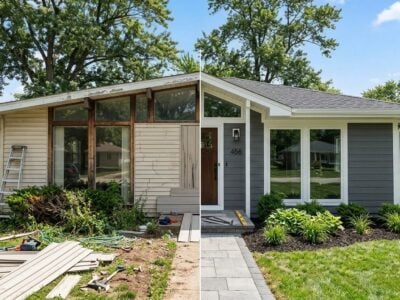
Marketing a residential expansion agency requires an educational, consultative sales strategy. Home expansions represent substantial personal investments, meaning property owners rarely respond to aggressive advertising or transactional sales pitches. Instead, founders should showcase thorough case studies that illustrate before-and-after transformations alongside transparent timelines, structural challenges overcome, and client testimonials.
Establishing collaborative partnerships with local residential architects, real estate agents, and landscape designers creates an enduring referral pipeline. When real estate professionals encounter prospective home buyers who love a neighborhood but need additional square footage, they can introduce your expansion agency as a trusted solution. Hosting educational community workshops on home zoning rules and space planning further cements your reputation as an industry authority.
Maintaining Operational Discipline and Quality Control
As client volume grows, operational complexity increases significantly. Managing multiple residential expansions simultaneously requires robust project management software, daily job site logs, and consistent communication protocols. Founders should appoint dedicated site supervisors who inspect structural milestones before municipal inspectors arrive for mandatory checks.
Proactive client communication is equally vital to long-term success. Providing weekly photographic progress reports and scheduled milestone walkthroughs minimizes homeowner anxiety during disruptive construction phases. When clients feel informed, respected, and involved, they naturally become enthusiastic brand advocates, generating valuable word-of-mouth recommendations across their residential communities.
Launching a residential home expansion agency allows entrepreneurs to build a resilient business model centered on genuine spatial needs. By combining spatial problem-solving, meticulous project management, and a transparent customer experience, founders help clients unlock new living capacity within the properties they already cherish.
Success in this industry belongs to leaders who respect both the physical craftsmanship of building and the emotional significance of family living spaces. With disciplined systems, a dependable trade network, and a clear vision for property improvement, founders can build a respected agency that stands out in the residential sector.