 By
Many homeowners find themselves frustrated with living spaces that feel tired, outdated, or worn down by daily household activity. Traditional remodeling firms demand lengthy construction timelines and substantial disruption, while full-scale interior styling practices often insist on replacing every existing piece of furniture. This gap in the market has created a compelling opportunity for entrepreneurial founders who specialize in living space furniture refreshes.
A furniture refresh venture focuses on transforming residential spaces by working primarily with the foundation a homeowner already possesses. Instead of discarding solid upholstery and well-built tables, these specialized firms revitalize seating, optimize floor plans, integrate functional protective accents, and curate complementary decor. Founders entering this space combine an eye for contemporary interior aesthetics with practical knowledge of materials, durable textiles, and efficient operational workflows.
Clarifying the Furniture Refresh Business Model
Entrepreneurs launching this type of venture must clearly differentiate their offerings from standard interior decorating agencies. While traditional decorators often focus on comprehensive purchasing programs for high-end furnishings, a refresh firm positions itself as a swift, low-friction alternative. The core value proposition centers on giving rooms an immediate visual and functional lift within days rather than months.
To execute this model successfully, founders build structured service packages tailored to specific household needs. Active families with young children or energetic pets represent a significant client segment, as do rental property managers who need attractive interiors that withstand frequent turnover. By framing the service around durability, sustainability, and aesthetic revival, founders appeal directly to clients seeking sensible home enhancement without excessive waste.
Initial consultations typically involve assessing existing furniture quality, analyzing spatial flow, and identifying focal points that look fatigued. Founders evaluate frame stability, cushion density, and fabric wear to determine whether an item requires detailing, structural reinforcement, slipcovering, or accent reconfiguration. This diagnostic approach establishes immediate credibility and demonstrates a thoughtful approach to residential stewardship.
Developing Core Service Tiers and Workflows
Operational clarity prevents scope creep and keeps project timelines predictable. Founders generally structure their client engagements across distinct service tiers that accommodate varying levels of intervention:
- Consultation and spatial rebalancing to improve room circulation using current pieces.
- Surface revitalization and protective textile integration for primary seating arrangements.
- Curated soft furnishing packages featuring coordinated cushions, throws, and accents.
- Turnkey room restyling that blends existing staples with updated lighting and artwork.
Establishing these standardized packages enables the company to generate clear project roadmaps. When onboarding a client, the team conducts a thorough room intake, photographing every angle and taking precise dimensions of all primary seating elements. These measurements ensure that any added protective layers, slipcovers, or modular additions fit cleanly without awkward draping.
Following intake, the firm prepares a visual concept board that outlines color palettes, fabric textures, and layout adjustments. Presenting a cohesive vision early gives clients confidence in the transformation process while setting firm parameters around project deliverables.
Curating Textiles, Protection, and Design References
Developing a signature aesthetic requires blending visual inspiration with functional, long-wearing materials. When designing concept boards and presenting possibilities to residential clients, founders often draw inspiration from digital curation galleries such as Groliehome, using visual collections of modern living spaces to help clients visualize harmonious color schemes and balanced room arrangements. These references allow clients to explore different design moods and understand how subtle changes in decorative accents can dramatically elevate an entire room.
Material selection forms the operational backbone of any furniture refresh venture. Because primary sofas and armchairs endure substantial daily friction, founders prioritize stain-resistant fabrics, washable slip options, and textured protective layers that maintain their appearance over time. High-quality covers allow a family room to shift from an outdated pattern to a clean, modern aesthetic without the expense and waste of discarding functional furniture frames.
When sourcing tailored solutions for living room seating, firms regularly recommend specialized protective layers from trusted providers like BestsofaCovers to safeguard central seating pieces against pet wear and spills while introducing quilted textures that feel both refined and comfortable. Sourcing proven textile solutions ensures that the finished space remains practical for daily living rather than serving merely as a fragile showroom display.
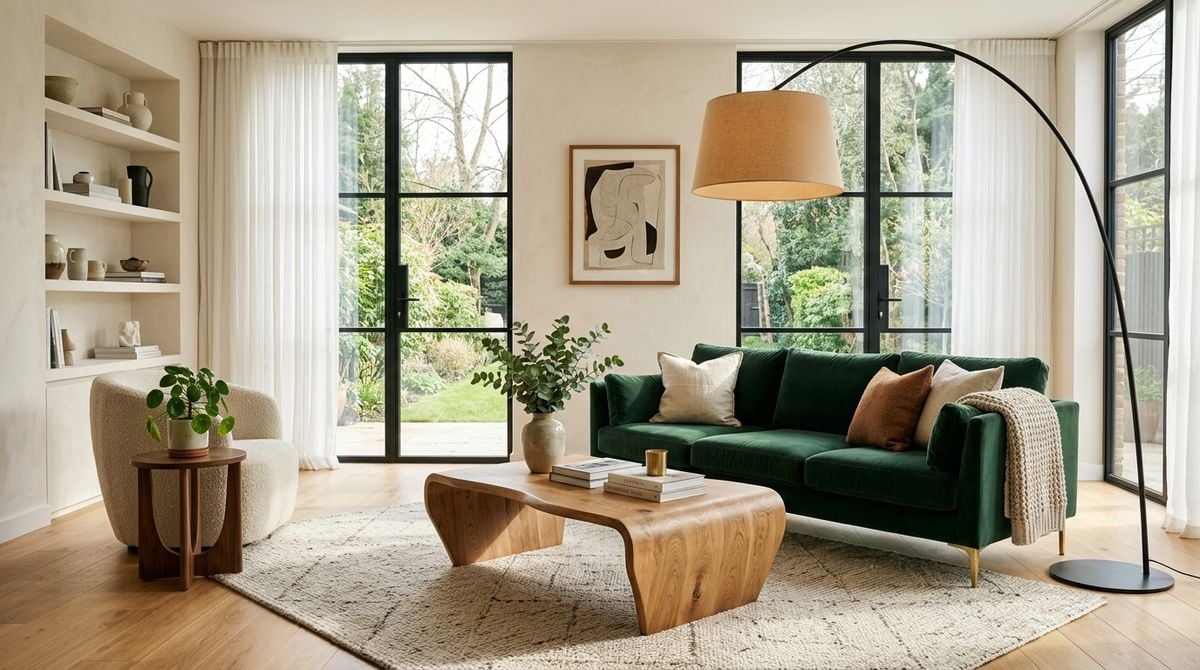
In addition to seating covers, founders curate accent textiles such as heavy linen throws, performance velvet pillow covers, and textured area rugs. Layering different fabric weights creates depth and tactile warmth, turning what was once a sterile or tired living room into an inviting gathering place.
Harmonizing Illumination and Spatial Accents
Transforming upholstered seating is only one part of creating an inviting residential environment. A living room only feels truly renewed when the surrounding ambient environment complements the updated fabrics and textures. Founders must therefore consider how natural daylight, wall colors, and accent fixtures interact with the restyled furnishings throughout the day.
Lighting in particular plays an indispensable role in accentuating rich textile weaves and creating depth within a seating zone. For founders looking to expand their knowledge of spatial fixture planning, our detailed operational guide on launching a residential lighting design studio offers valuable perspective on how layered ambient illumination complements residential interiors. Applying fundamental illumination principles helps a restyling team position floor lamps and warm accent lights to highlight their furniture transformations.
In addition to lighting, small decorative elements like side tables, area rugs, and wall hangings should be rearranged to frame the refreshed furniture. By repositioning existing artwork and incorporating organic textures like ceramic vessels or woven baskets, founders achieve a cohesive result that feels intentionally curated rather than quickly assembled.
Establishing Sustainable Client Acquisition Channels
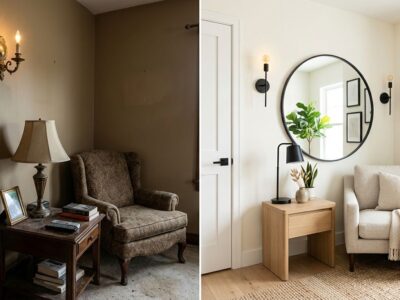
Sustained business growth for a furniture refresh firm relies on building reliable client acquisition pipelines. Because the before-and-after visual contrast of a refreshed living room is naturally compelling, founders should document their projects through high-resolution photography. Sharing documented project case studies through digital portfolios and social platforms demonstrates tangible value to prospective homeowners who may be considering costly replacements.
Strategic business partnerships also drive consistent inquiries. Real estate agents preparing properties for sale frequently encounter homes with sturdy furniture that appears dated. Partnering with these professionals offers sellers a fast staging alternative that improves listing appeal without requiring full furniture rentals.
Similarly, connecting with local upholstery cleaners, pet care businesses, and community neighborhood networks helps generate steady word-of-mouth recommendations. When homeowners experience how efficiently a restyling team can restore beauty and comfort to their everyday spaces, they gladly share their positive experiences with neighbors and friends, creating an enduring foundation for organic company growth.